
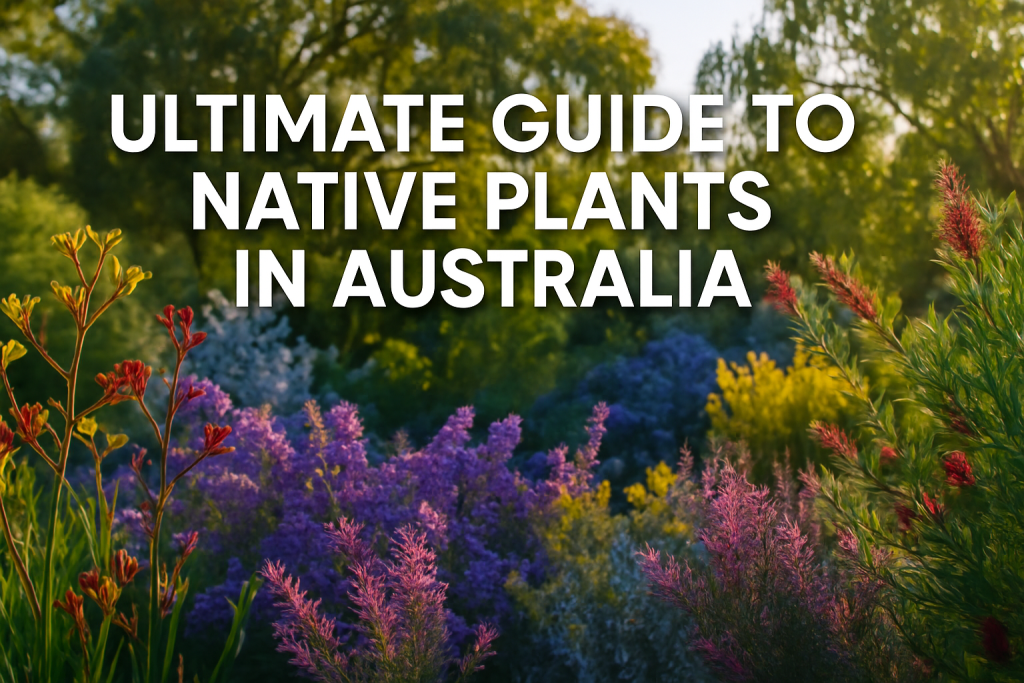
Picture this: It’s a scorching summer afternoon in Perth, and while your neighbour’s exotic garden wilts under the relentless sun, your native garden thrives with vibrant bottlebrush blooms attracting rainbow lorikeets and honeyeaters. This isn’t just a dream—it’s the reality for thousands of Australian gardeners who’ve discovered the magic of native plants of Australia. After spending fifteen years working with indigenous flora across this vast continent, I’ve witnessed firsthand how these remarkable plants transform ordinary gardens into thriving ecosystems that require less water, minimal maintenance, and create genuine connections to our unique landscape. Whether you’re in tropical Darwin or temperate Melbourne, understanding and growing native plants isn’t just about gardening—it’s about embracing the plants that have evolved over millions of years to thrive in our challenging conditions.
Key Takeaways
- Native plants of Australia are perfectly adapted to local climate conditions, requiring up to 80% less water than exotic species once established
- Australia has diverse climate zones (tropical, subtropical, temperate, and arid) each supporting unique native plant communities that thrive with minimal intervention
- Growing indigenous flora supports local wildlife, with many native birds, butterflies, and beneficial insects relying exclusively on these plants for survival
- Economic and environmental benefits include reduced water bills, minimal fertiliser requirements, and significant contributions to biodiversity conservation
- Proper plant selection and establishment care are crucial for success, with most natives requiring excellent drainage and appropriate positioning for their specific needs
Understanding Australia’s Climate Zones and Native Plants

Australia’s vast landscape spans multiple climate zones, each hosting distinctive plant communities that have evolved to thrive in specific conditions. Understanding these zones is fundamental to selecting the right native plants of Australia for your garden.
Tropical Zone: Darwin to Cairns
The tropical north experiences high humidity, intense rainfall during the wet season (November to April), and consistently warm temperatures year-round. Native plants here have adapted to monsoon conditions with dramatic wet-dry cycles.
Top performers include:
- Hibiscus tiliaceus (Native Hibiscus): Coastal beauty with yellow flowers turning orange
- Callistemon viminalis (Weeping Bottlebrush): Graceful form with brilliant red flowers
- Melaleuca leucadendra (Weeping Paperbark): Magnificent shade tree with papery bark
- Pandanus spiralis (Screw Palm): Architectural plant perfect for tropical gardens
Subtropical Zone: Brisbane to Northern NSW
This zone enjoys warm, humid summers with reliable rainfall and mild, drier winters. The diversity of native plants here is extraordinary, making it one of Australia’s richest botanical regions.
Ideal natives include:
- Backhousia citriodora (Lemon Myrtle): Aromatic foliage and white flowers
- Syzygium australe (Brush Cherry): Glossy foliage with edible pink berries
- Lomandra longifolia (Mat Rush): Tough strappy groundcover
- Banksia integrifolia (Coast Banksia): Iconic golden flower spikes
Temperate Zone: Melbourne to Adelaide
Temperate regions experience four distinct seasons with cool, wet winters and warm, dry summers. This zone hosts some of Australia’s most popular garden natives, many originating from coastal heathlands and eucalypt forests.
Outstanding choices:
- Correa reflexa (Native Fuchsia): Winter-flowering beauty
- Westringia fruticosa (Coastal Rosemary): Reliable evergreen shrub
- Eucalyptus leucoxylon (Yellow Gum): Spectacular flowering tree
- Chrysocephalum apiculatum (Common Everlasting): Golden button flowers
Arid Zone: Central Australia and Inland Regions
The arid interior challenges plants with extreme temperature fluctuations, minimal rainfall, and intense solar radiation. Native plants here are masters of water conservation, displaying remarkable drought tolerance.
Resilient survivors:
- Eremophila maculata (Spotted Emu Bush): Tubular flowers in various colours
- Ptilotus exaltatus (Tall Mulla Mulla): Pink-purple fluffy flower heads
- Acacia aneura (Mulga): Iconic inland wattle
- Atriplex nummularia (Old Man Saltbush): Excellent fodder shrub
For more detailed guidance on caring for these plants once established, check out this comprehensive guide to caring for your native Australian garden.
Top 20 Native Plants of Australia for Your Garden 🌺
After years of trialling natives across different Australian climates, I’ve compiled this definitive list of the most reliable, beautiful, and ecologically valuable species. Each plant has earned its place through proven performance in home gardens.
1. Kangaroo Paw (Anigozanthos flavidus)
Natural Habitat: Southwest Western Australia, sandy soils in heathlands
Growing Conditions:
- Full sun to part shade
- Well-drained sandy or loamy soil (pH 5.5-7.0)
- Low to moderate water once established
- Frost tender (protect below -2°C)
Wildlife Attraction: Honeyeaters, wattlebirds, and native bees adore the nectar-rich flowers
Landscape Uses: Stunning feature plant, excellent cut flower, perfect for coastal gardens
Maintenance: Low—remove spent flower stems, divide clumps every 3-4 years
“Kangaroo paws are the quintessential Australian flower. Their unique bird-like blooms in vibrant reds, yellows, and oranges create an unmistakable focal point that screams ‘Australian garden.'”
2. Bottlebrush (Callistemon citrinus)
Natural Habitat: Eastern Australia along watercourses and wetland margins
Growing Conditions:
- Full sun preferred
- Adaptable to most soil types including clay
- Moderate water requirements
- Frost hardy to -7°C
Wildlife Attraction: Magnet for lorikeets, honeyeaters, and native bees; provides nesting sites
Landscape Uses: Screening, informal hedges, specimen tree, erosion control
Maintenance: Very low—prune after flowering to maintain shape
3. Grevillea (Grevillea species)
Natural Habitat: Across Australia in diverse habitats from rainforests to arid zones
Growing Conditions:
- Full sun to dappled shade
- Well-drained soil essential (avoid phosphorus-rich fertilisers)
- Low to moderate water
- Frost tolerance varies by species
Wildlife Attraction: Exceptional nectar source for honeyeaters, lorikeets, and butterflies
Landscape Uses: Groundcovers to large shrubs, screening, bird-attracting gardens
Maintenance: Low—light pruning after flowering maintains density
4. Native Violet (Viola hederacea)
Natural Habitat: Southeast Australia in moist, shaded forest areas
Growing Conditions:
- Shade to part sun
- Moist, well-drained soil rich in organic matter
- Regular water during establishment
- Frost hardy
Wildlife Attraction: Host plant for native butterfly larvae, ground-dwelling insects
Landscape Uses: Groundcover under trees, between pavers, rockeries
Maintenance: Very low—spreads naturally to form dense mats
5. Coastal Rosemary (Westringia fruticosa)
Natural Habitat: NSW coastal cliffs and headlands
Growing Conditions:
- Full sun to part shade
- Tolerates most soils including sandy and coastal
- Low water once established
- Frost hardy to -5°C
Wildlife Attraction: Flowers attract native bees and small birds
Landscape Uses: Hedging, coastal gardens, low-maintenance borders, topiary
Maintenance: Low—responds well to regular trimming
6. Lilly Pilly (Syzygium species)
Natural Habitat: Eastern Australia’s rainforests and wet sclerophyll forests
Growing Conditions:
- Part shade to full sun
- Prefers moisture-retentive soil
- Moderate to high water
- Frost sensitive when young
Wildlife Attraction: Berries feed native pigeons, currawongs, and fruit bats; flowers attract bees
Landscape Uses: Screening, hedging, topiary, rainforest gardens
Maintenance: Moderate—requires regular pruning for hedges, watch for psyllid
7. Wattle (Acacia species)
Natural Habitat: Throughout Australia in virtually all habitats
Growing Conditions:
- Full sun
- Well-drained soil (avoid heavy clay)
- Low water requirements
- Frost tolerance varies by species
Wildlife Attraction: Flowers provide abundant nectar and pollen; seeds feed parrots
Landscape Uses: Fast-growing screens, erosion control, feature trees
Maintenance: Low—most species are short-lived (5-15 years)
The Acacia saligna is particularly noteworthy for its vibrant golden blooms and rapid growth.
8. Native Fuchsia (Correa species)
Natural Habitat: Southern and eastern Australia in coastal and woodland areas
Growing Conditions:
- Part shade to full sun
- Well-drained soil
- Low to moderate water
- Frost hardy to -7°C
Wildlife Attraction: Winter flowers are crucial nectar source for honeyeaters
Landscape Uses: Shaded gardens, rockeries, containers, winter colour
Maintenance: Low—light prune after flowering
9. Banksia (Banksia species)
Natural Habitat: Predominantly Western Australia, also eastern states
Growing Conditions:
- Full sun
- Excellent drainage essential (sandy soils ideal)
- Low water once established
- Frost tolerance varies
Wildlife Attraction: Iconic flower spikes attract honeyeaters, lorikeets, and possums
Landscape Uses: Feature plants, coastal gardens, bird-attracting gardens
Maintenance: Low—avoid phosphorus fertilisers, prune minimally
10. Grass Tree (Xanthorrhoea species)
Natural Habitat: Throughout Australia in fire-prone sclerophyll forests
Growing Conditions:
- Full sun
- Well-drained, low-nutrient soil
- Very low water requirements
- Frost hardy
Wildlife Attraction: Flower spikes attract native bees and small birds
Landscape Uses: Architectural focal point, Australian-themed gardens, fire-resistant landscaping
Maintenance: Very low—extremely slow growing, virtually maintenance-free
11. Flannel Flower (Actinotus helanthii)
Natural Habitat: NSW and Queensland sandstone areas
Growing Conditions:
- Full sun to light shade
- Sandy, well-drained soil
- Low to moderate water
- Frost tender
Wildlife Attraction: Native bees and small insects
Landscape Uses: Rockeries, cottage gardens, cut flowers
Maintenance: Moderate—short-lived perennial, may need replacing every 2-3 years
12. Tea Tree (Leptospermum species)
Natural Habitat: Eastern and southern Australia in coastal and mountain areas
Growing Conditions:
- Full sun to part shade
- Adaptable to various soils including wet areas
- Low to moderate water
- Frost hardy
Wildlife Attraction: Flowers attract native bees, butterflies, and honeyeaters
Landscape Uses: Screening, informal hedges, wetland gardens, coastal plantings
Maintenance: Low—prune after flowering to maintain shape
13. Native Iris (Patersonia species)
Natural Habitat: Throughout Australia in heathlands and open forests
Growing Conditions:
- Full sun to part shade
- Well-drained soil
- Low to moderate water
- Frost hardy
Wildlife Attraction: Native bees and small birds
Landscape Uses: Mass plantings, rockeries, grassland gardens
Maintenance: Very low—clump-forming, minimal care required
14. Bower Vine (Pandorea jasminoides)
Natural Habitat: Eastern Australia in rainforests and wet sclerophyll forests
Growing Conditions:
- Part shade to full sun
- Moist, well-drained soil
- Moderate water
- Frost tender to light frosts
Wildlife Attraction: Flowers attract native bees and butterflies
Landscape Uses: Climbing over fences, arbours, and pergolas
Maintenance: Moderate—requires support structure and occasional pruning
15. Pigface (Carpobrotus glaucescens)
Natural Habitat: Coastal Australia on dunes and cliffs
Growing Conditions:
- Full sun
- Sandy, well-drained soil
- Very low water requirements
- Frost tender
Wildlife Attraction: Flowers attract native bees; fruits eaten by birds
Landscape Uses: Coastal erosion control, groundcover, rockeries
Maintenance: Very low—spreads rapidly, extremely tough
16. Native Ginger (Alpinia caerulea)
Natural Habitat: Eastern Australia’s rainforests
Growing Conditions:
- Shade to part sun
- Moist, rich soil
- High water requirements
- Frost sensitive
Wildlife Attraction: Blue berries attract native birds; flowers attract butterflies
Landscape Uses: Rainforest gardens, tropical-style plantings, understory
Maintenance: Low—remove old stems, mulch well
17. Hardenbergia (Hardenbergia violacea)
Natural Habitat: Eastern and southern Australia in forests and woodlands
Growing Conditions:
- Full sun to part shade
- Well-drained soil
- Low to moderate water
- Frost hardy to -7°C
Wildlife Attraction: Flowers attract native bees and butterflies
Landscape Uses: Groundcover, climbing over fences, cascading over walls
Maintenance: Low—prune after flowering to control spread
18. Waratah (Telopea speciosissima)
Natural Habitat: NSW sandstone areas in sclerophyll forests
Growing Conditions:
- Full sun to part shade
- Well-drained, acidic soil
- Moderate water
- Frost hardy once established
Wildlife Attraction: Spectacular flowers attract honeyeaters and lorikeets
Landscape Uses: Feature plant, cut flowers, Australian-themed gardens
Maintenance: Moderate—requires good drainage, benefits from pruning
19. Peppermint Willow (Agonis flexuosa)
Natural Habitat: Southwest Western Australia
Growing Conditions:
- Full sun to part shade
- Well-drained soil
- Low to moderate water
- Frost hardy to -5°C
Wildlife Attraction: Flowers attract native bees; foliage provides habitat
Landscape Uses: Shade tree, street tree, weeping feature tree
Maintenance: Low—naturally graceful form requires minimal pruning
Learn more about this beautiful species in detail at Agonis flexuosa.
20. Billy Buttons (Craspedia globosa)
Natural Habitat: Southeast Australia in grasslands and alpine areas
Growing Conditions:
- Full sun
- Well-drained soil
- Low to moderate water
- Frost hardy
Wildlife Attraction: Native bees and butterflies
Landscape Uses: Cottage gardens, cut flowers, mass plantings, rockeries
Maintenance: Low—remove spent flowers, short-lived perennial
The Remarkable Benefits of Growing Native Plants of Australia 🦜
Environmental Benefits
The ecological advantages of cultivating indigenous flora extend far beyond your garden fence. Native plants of Australia have evolved alongside our unique fauna over millions of years, creating intricate relationships that support entire ecosystems.
Biodiversity Support: A single native plant can support dozens of insect species, which in turn feed birds, reptiles, and mammals. When I planted a Banksia integrifolia in my coastal garden, within months I observed 15 different bird species visiting, including the endangered Swift Parrot during migration.
Water Conservation: Once established, most natives require minimal supplementary watering. Research shows native gardens use up to 80% less water than exotic gardens—a crucial consideration as Australia faces increasing water scarcity[1].
Soil Health: Native plants develop deep root systems that improve soil structure, prevent erosion, and increase water infiltration. Their leaf litter creates natural mulch that feeds beneficial soil organisms.
Carbon Sequestration: Australian native trees and shrubs are efficient carbon sinks, with species like eucalypts storing significant carbon in their woody biomass and root systems[2].
Reduced Chemical Dependency: Natives have natural pest and disease resistance, eliminating the need for synthetic pesticides and fungicides that harm beneficial insects and contaminate waterways.
Economic Savings
The financial benefits of native gardens become apparent within the first year:
- Lower water bills: Reduced irrigation requirements translate to significant savings, particularly during summer
- Minimal fertiliser costs: Most natives thrive in low-nutrient soils and actually suffer from over-fertilisation
- Reduced maintenance expenses: Less pruning, no regular replacement of short-lived exotics
- Increased property value: Well-designed native gardens enhance curb appeal and attract environmentally conscious buyers
- Long-term investment: Many natives are long-lived, providing decades of beauty without replacement costs
Aesthetic Appeal
The notion that native gardens are “messy” or “boring” is thoroughly outdated. Modern native landscaping offers:
- Year-round colour: Strategic plant selection ensures flowers, foliage, and berries across all seasons
- Diverse textures: From the soft, feathery foliage of wattles to the architectural drama of grass trees
- Unique Australian character: Creates a genuine sense of place that reflects our landscape
- Wildlife theatre: The constant activity of birds, butterflies, and lizards adds dynamic interest
Cultural Significance
For Aboriginal and Torres Strait Islander peoples, native plants hold profound cultural, spiritual, and practical importance spanning over 65,000 years. Growing these plants:
- Acknowledges and respects Indigenous knowledge systems
- Preserves traditional plant species for future generations
- Provides opportunities to learn about Indigenous plant uses
- Supports reconciliation through practical action
Many natives were traditional food sources, medicines, and materials. The ancient viability of native seeds demonstrates the remarkable resilience of indigenous flora.
Getting Started: Choosing and Establishing Native Plants of Australia 🌱
Assessing Your Garden Conditions
Before selecting plants, conduct a thorough site analysis:
Sunlight Patterns: Observe your garden throughout the day. Note areas receiving:
- Full sun (6+ hours direct sunlight)
- Part shade (3-6 hours)
- Full shade (less than 3 hours)
Soil Type: Dig a test hole 30cm deep. Examine the soil:
- Sandy: Drains quickly, low nutrients
- Loamy: Ideal balance of sand, silt, and clay
- Clay: Heavy, poorly draining, nutrient-rich
Drainage: After heavy rain, check how quickly water disperses. Most natives require excellent drainage.
Microclimate: Identify frost pockets, wind tunnels, and heat traps that influence plant selection.
Existing Vegetation: Note what thrives naturally—it indicates suitable plant types.
Selecting the Right Plants
Match Plants to Conditions: This is the golden rule of native gardening. Don’t fight your site—work with it. A moisture-loving lilly pilly will struggle in sandy, dry soil, while a grevillea will rot in poorly drained clay.
Consider Mature Size: Research ultimate height and spread. That cute 50cm grevillea may reach 4m × 3m at maturity.
Plan for Succession: Select plants that flower at different times, ensuring year-round interest and continuous wildlife food sources.
Local Provenance: Where possible, choose plants of local provenance (from your region). They’re best adapted to local conditions and support local wildlife populations.
Start with Easy Species: Beginners should start with bulletproof natives like coastal rosemary, lomandra, and hardenbergia before attempting challenging species like waratah.
Where to Buy Quality Native Plants
Specialist Native Nurseries: These offer the widest selection, expert advice, and often stock local provenance plants. Staff can recommend species for your specific conditions.
Botanic Gardens Sales: Many botanic gardens hold plant sales featuring well-grown, accurately labelled natives.
Community Nurseries: Often run by local Landcare groups, these provide locally-sourced plants at reasonable prices while supporting community conservation.
Avoid: Big box hardware stores often stock poorly-labelled, stressed plants in inappropriate potting mix.
For quality natives and expert advice, visit Peppy Plants for an excellent selection.
Planting Techniques for Success
Timing: Autumn is ideal across most of Australia—mild temperatures and winter rains support establishment. Spring is second-best. Avoid planting during summer heat or winter frosts.
Soil Preparation:
- Remove weeds thoroughly (roots and all)
- Dig a hole twice the width of the pot but no deeper
- Roughen the sides to prevent root circling
- Don’t add compost for most natives—they prefer low-nutrient soils
Planting Process:
- Water the plant thoroughly in its pot
- Gently remove from pot, teasing out circling roots
- Position so the root ball sits slightly above ground level
- Backfill with native soil (not potting mix)
- Create a watering basin with excess soil
- Water deeply to settle soil and eliminate air pockets
- Apply 5-7cm of mulch, keeping it away from the stem
Critical First Year Care:
The establishment period is crucial. Even drought-tolerant natives need regular water initially:
- Weeks 1-4: Water 2-3 times weekly
- Months 2-6: Water weekly
- Months 6-12: Water fortnightly (adjust for rainfall)
- After 12 months: Most natives are established and require minimal supplementary water
Staking: Only stake if absolutely necessary, and remove stakes after 6-12 months. Plants develop stronger trunks when allowed to move naturally.
Fertilising: Most natives require no fertiliser. If growth is poor, use a low-phosphorus native plant fertiliser sparingly. Never use standard lawn or garden fertilisers—the high phosphorus levels are toxic to many natives.
Common Mistakes to Avoid When Growing Native Plants 🚫

After years of consulting with frustrated gardeners, I’ve identified recurring mistakes that doom native plants to failure. Avoid these pitfalls:
1. Over-Watering Established Plants
The Problem: The single biggest killer of native plants. Gardeners accustomed to exotic plants continue watering natives long after establishment.
The Solution: Once established (12 months), most natives require minimal water. Water deeply but infrequently during extended dry periods only.
2. Using High-Phosphorus Fertilisers
The Problem: Many Australian natives, particularly those from Western Australia (banksias, grevilleas, hakeas), are extremely sensitive to phosphorus. Standard fertilisers cause toxicity, manifesting as yellowing leaves and plant death.
The Solution: Use only low-phosphorus native plant fertilisers, or better yet, use none at all. Mulch provides adequate nutrients.
3. Poor Drainage
The Problem: Planting moisture-sensitive natives in heavy clay or poorly-drained areas causes root rot.
The Solution: Improve drainage with gypsum, or create raised beds. Alternatively, select natives suited to moist conditions like melaleucas and leptospermums.
4. Planting Too Deeply
The Problem: Burying the stem crown leads to collar rot, particularly in wet conditions.
The Solution: Ensure the root ball sits slightly above ground level. The junction between roots and stem should be visible.
5. Ignoring Mature Plant Size
The Problem: That small plant becomes a monster, overwhelming its space and requiring constant pruning or removal.
The Solution: Research mature dimensions before purchasing. Allow adequate space for growth.
6. Choosing Inappropriate Species
The Problem: Selecting plants unsuited to your climate zone or garden conditions.
The Solution: Match plants to your specific conditions. A tropical native won’t survive Melbourne winters; a temperate species will struggle in Darwin’s humidity.
7. Excessive Pruning
The Problem: Over-pruning, particularly cutting into old wood, can kill many natives.
The Solution: Prune lightly and regularly rather than heavily and infrequently. For most natives, prune only after flowering, removing no more than one-third of growth.
8. Neglecting Establishment Care
The Problem: Assuming “drought-tolerant” means “no water required from day one.”
The Solution: Provide consistent water during the first 12 months. Establishment care determines long-term success.
9. Using Inappropriate Mulch
The Problem: Fresh wood chips or high-nitrogen mulches can cause problems for natives.
The Solution: Use coarse, composted mulch or native leaf litter. Maintain 5-7cm depth, keeping mulch away from stems.
10. Impatience
The Problem: Expecting instant results and giving up on slow-growing species.
The Solution: Understand that many natives are slow starters but long-lived. That grass tree may take decades to develop its trunk, but it will outlive you!
For comprehensive ongoing care advice, this native Australian garden guide provides excellent detailed information.
Frequently Asked Questions About Native Plants of Australia 🤔
1. Are native plants really low maintenance?
Yes, but with important caveats. Once established (after 12 months), most natives require minimal water, no fertiliser, and little pruning. However, they’re not “no maintenance”—they still need appropriate positioning, good drainage, and occasional care. The establishment period requires attention, but long-term maintenance is significantly lower than exotic gardens.
2. Will native plants attract snakes to my garden?
Native plants attract birds, lizards, and insects—not snakes specifically. However, dense groundcovers and accumulated debris can provide snake habitat. Maintain clear paths, keep grass short near the house, and remove hiding spots like sheet metal or timber piles. The wildlife benefits of natives far outweigh this manageable concern.
3. Can I grow native plants in pots?
Absolutely! Many natives excel in containers. Choose species with compact growth habits like coastal rosemary, native violets, grevilleas (dwarf varieties), and correas. Use premium native potting mix with excellent drainage. Container plants require more frequent watering than in-ground plants but still less than exotic species.
4. Do native gardens look messy?
Not if designed thoughtfully! This outdated stereotype stems from poorly planned gardens. Modern native landscaping can be formal or informal, structured or naturalistic. Use defined edges, mulched paths, strategic pruning, and thoughtful plant placement to create sophisticated, beautiful gardens.
5. How long do native plants take to establish?
Most natives are considered established after 12 months, though larger trees may take 2-3 years. During establishment, they require regular watering and monitoring. Some species like wattles grow rapidly, while others like grass trees are famously slow. Patience during establishment pays lifelong dividends.
6. Can I mix native and exotic plants?
Yes, though purists may disagree! Many successful gardens combine both. However, ensure exotic species aren’t invasive, and group plants with similar water and nutrient requirements. Avoid planting water-hungry exotics near established natives—the extra water can harm them.
7. Why did my native plant die?
The most common causes are:
- Over-watering (especially after establishment)
- Poor drainage causing root rot
- Phosphorus toxicity from inappropriate fertiliser
- Planting too deeply
- Severe frost damage (tender species in cold areas)
- Inappropriate species selection for conditions
Diagnosis requires examining the specific circumstances and symptoms.
8. Are native plants expensive?
Not necessarily. While rare species command premium prices, common natives like grevilleas, westringias, and lomandras are competitively priced. Native gardens can be more economical than exotic gardens when you factor in long-term water and maintenance savings. Community nurseries offer excellent value.
9. Which natives are best for screening?
Excellent screening natives include:
- Fast-growing: Lilly pilly, bottlebrush, coastal tea tree
- Formal hedges: Coastal rosemary, native box
- Tall screens: Tuckeroo, water gum, willow myrtle
- Dense privacy: Acmena smithii, Syzygium varieties
Choose based on your climate zone and desired height.
10. How do I attract specific birds to my native garden?
Different birds prefer different plants:
- Honeyeaters: Grevilleas, banksias, callistemons
- Lorikeets: Eucalypts, bottlebrush, banksias
- Wrens: Dense low shrubs like native grasses and small shrubs
- Parrots: Seed-producing plants like wattles and eucalypts
Provide water sources, nesting sites, and avoid pesticides. Diversity is key—plant multiple species flowering at different times.
Explore more about Australian native shrubs and native trees for backyards for additional selection guidance.
Conclusion: Your Journey with Native Plants of Australia Begins Now 🌏
Creating a garden filled with native plants of Australia isn’t just about horticulture—it’s about reconnecting with the ancient landscapes that define our continent. It’s about hearing the morning chorus of honeyeaters in your bottlebrush, watching blue-banded bees work your hardenbergia flowers, and knowing your garden contributes to conservation rather than detracting from it.
The journey I began fifteen years ago with a single struggling grevillea has transformed not just my garden, but my entire relationship with the Australian landscape. Every plant tells a story of adaptation, resilience, and beauty forged over millions of years. When you choose natives, you’re not just selecting plants—you’re becoming a custodian of Australia’s botanical heritage.
Your Action Plan
This Week:
- Assess your garden conditions (sun, soil, drainage)
- Research natives suited to your climate zone
- Visit a specialist native nursery for expert advice
This Month:
- Select 3-5 species appropriate for your conditions
- Prepare planting areas with proper drainage
- Purchase quality plants from reputable sources
This Year:
- Plant during autumn or spring
- Maintain consistent watering during establishment
- Document your garden’s transformation and the wildlife it attracts
Long-term:
- Expand your native plantings progressively
- Share your knowledge with neighbours and friends
- Contribute to local conservation through your garden choices
Remember, every native plant you grow contributes to a larger movement of Australians reconnecting with our unique flora. Your garden becomes part of a living network supporting threatened species, conserving water, and preserving our botanical heritage for future generations.
The native plants of Australia are waiting to transform your garden. The question isn’t whether to start—it’s which beautiful native will you plant first?
For ongoing inspiration and expert advice, connect with the community at Peppy Plants and discover the joy of growing Australia’s remarkable indigenous flora.
References
[1] Australian Bureau of Statistics (2023). “Water Use on Australian Farms, 2021-22.” Commonwealth of Australia.
[2] Roxburgh, S.H., et al. (2006). “A review of the structural and functional properties of Australian native vegetation.” Australian Journal of Botany, 54(4), 343-361.