
Key Takeaways
Embark on a floral journey through Tamworth, a town where the beauty and diversity of native flowers are woven into the fabric of life. Here’s what you’ll discover:
- Native Wonders: Tamworth’s fertile soil and climate are a haven for native flora, enhancing local biodiversity and offering a spectacle of colors and scents across seasons.
- Seasonal Splendor: Spring transforms the town into a blooming paradise, with daffodils, bluebells, and cherry blossoms creating postcard-worthy landscapes.
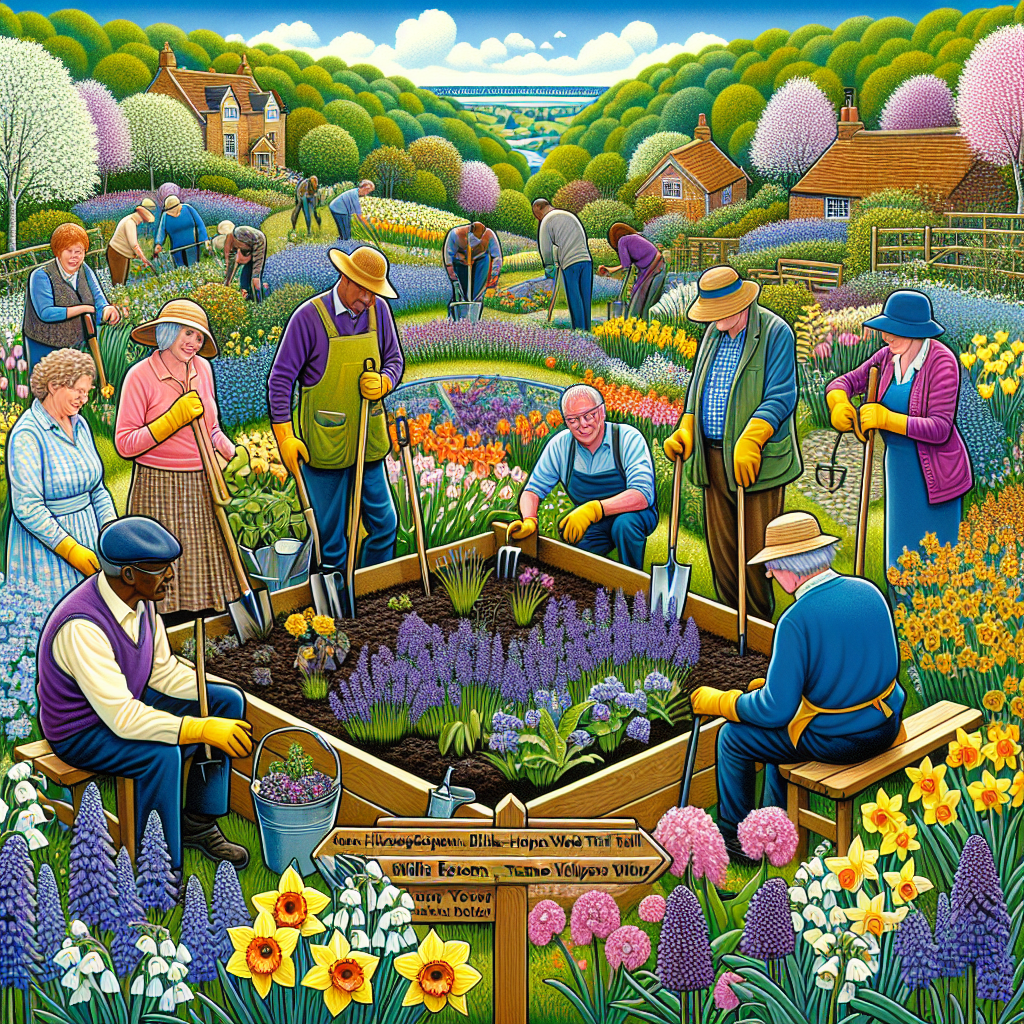
- Green Thumbs Unite: Dive into gardening with indigenous plants like English bluebells and wild primroses, enriching your garden and supporting the ecosystem.
- Ecosystem Exploration: Venture through Tamworth’s diverse habitats, from woodlands to wetlands, each supporting a unique array of blooms and wildlife.
- Conservation Heroes: Discover the seed banking, community-led initiatives, and eco-conscious gardening practices safeguarding Tamworth’s floral heritage.
- Trail Tales: Lace up for a tour of native flower trails, from the enchanting Hopwas Wood to the vibrant Tame Valley Wetlands, and connect with nature’s artistry.
- Landscape Love: Learn how to integrate native blooms into your landscaping, crafting a garden that’s a living tribute to Tamworth’s natural charm.
Whether you’re a budding botanist, a community conservationist, or a nature enthusiast at heart, this article will guide you through the petals and paths of Tamworth’s floral wonders. So, pull on your gardening gloves, grab your walking stick, and let’s cultivate a deeper appreciation for the blooms that bedeck this historic town.
Introduction to Tamworth’s Flora: A Spectrum of Native Flowers
Tamworth, a charming town nestled in the heart of England, is not only known for its rich history and picturesque landscapes but also for its vibrant and diverse flora. From delicate wildflowers to magnificent blossoms, Tamworth’s native flowers paint a stunning tapestry across the town’s gardens, parks, and nature reserves.
What makes Tamworth truly unique is the wide range of native flower species that thrive in its fertile soil and favorable climate. These plants have adapted over centuries to survive and flourish in this specific region, making them an integral part of Tamworth’s natural heritage.
One of the key reasons why native flowers are so cherished is their ability to attract local wildlife, including bees, butterflies, and birds. These blooming beauties provide a vital source of food and shelter for these creatures, promoting a healthy and balanced ecosystem. So, not only are Tamworth’s native flowers a sight to behold, but they also play a crucial role in supporting local biodiversity.
From the vibrant bluebells that carpet the woodlands in spring to the cheerful daffodils that herald the arrival of warmer days, each season brings a new wave of colors and scents to Tamworth. Whether you’re a gardening enthusiast looking to cultivate these native plants or simply a nature lover wanting to explore the local trails, Tamworth’s flora has something to offer everyone.
Throughout this article, we’ll delve into the fascinating world of Tamworth’s native flowers, providing you with a comprehensive guide to appreciating, cultivating, and preserving these natural treasures. We’ll explore the seasonal blossoms that make spring in Tamworth truly magical, share expert tips on integrating these flowers into your own garden, and take you on a virtual tour of the breathtaking native flower trails that wind their way through the town.
So, get ready to immerse yourself in the splendor of Tamworth’s flora. From learning about the indigenous plants that call this town home to discovering the conservation efforts aimed at protecting their delicate existence, we’ll embark on a journey that celebrates the beauty and importance of native flowers in Tamworth.
Celebrating Spring in Tamworth: A Guide to Seasonal Blossoms
As the cold winter days give way to the warmth of spring, Tamworth transforms into a blooming paradise. The town comes alive with a vibrant array of seasonal blossoms, filling the air with their sweet fragrance and painting the landscapes with an explosion of colors. If you’re eager to celebrate the arrival of spring and immerse yourself in the beauty of nature, Tamworth’s seasonal blossoms are not to be missed.
One of the iconic symbols of spring in Tamworth is the daffodil. These cheerful yellow flowers, with their trumpet-shaped blooms, announce the end of winter and the beginning of a new season. Take a leisurely stroll through Tamworth Castle Grounds or any of the town’s public parks, and you’ll be greeted by a breathtaking sight as daffodils blanket the ground, creating a sea of yellow. Remember to bring your camera along to capture the beauty of these golden blooms.
Another highlight of springtime in Tamworth is the enchanting display of bluebells. These delicate flowers cover woodland floors in a carpet of stunning blue hues, creating a magical and tranquil atmosphere. Visit Hopwas Woods or Wigginton Park, and you’ll find yourself immersed in a fairytale-like setting, surrounded by the sweet scent and ethereal beauty of these native blooms. It’s the perfect opportunity to reconnect with nature and enjoy a peaceful walk in the woods.
If you’re a fan of cherry blossoms, Tamworth won’t disappoint. These elegant pink and white flowers adorn the town’s streets, gardens, and parks, casting a dreamy and romantic aura. Head to St. Editha’s Square or Tamworth Castle Grounds during the spring months, and you’ll be treated to a stunning display of cherry blossoms. Take a moment to sit under these blooming trees, and let their beauty transport you to a world of serenity and tranquility.
As you explore Tamworth’s seasonal blossoms, keep an eye out for other native flowers that add to the tapestry of colors. From the vibrant red tulips to the delicate white snowdrops, each bloom has a story to tell and contributes to the town’s natural beauty. Take the time to appreciate the intricate details and unique characteristics of each flower, and you’ll develop a deeper appreciation for the wonders of nature.
So, whether you’re a budding botanist, a nature enthusiast, or simply someone who enjoys the beauty of flowers, Tamworth’s spring blossoms offer a delightful experience. Plan a visit during the spring months, and let the sights and scents of these seasonal blooms captivate your senses and rejuvenate your spirit.
Cultivating Native Charm: Top Indigenous Plants for Tamworth Gardens
If you’re a gardening enthusiast or simply love the idea of having a slice of Tamworth’s native beauty in your own backyard, it’s time to roll up your sleeves and get planting. Cultivating indigenous plants not only adds a touch of local charm to your garden but also helps support the delicate ecosystem of Tamworth. Here are some top native plants to consider incorporating into your garden:
1. English Bluebell (Hyacinthoides non-scripta)
No Tamworth garden would be complete without the enchanting English bluebell. These stunning blue flowers, which bloom in late spring, add a touch of magic to any outdoor space. They thrive in shady areas and are perfect for underplanting trees or creating a woodland-inspired garden. Keep in mind that the English bluebell is a protected species, so always purchase bulbs from reputable sources to avoid damaging the wild population.
2. Wood Anemone (Anemone nemorosa)
Another woodland gem, the wood anemone, is a delicate white flower that blooms in early spring. Its dainty petals and fern-like foliage create a whimsical and ethereal atmosphere. Plant them in moist, well-drained soil in partial shade, and watch as these graceful blooms bring a touch of elegance to your garden.
3. Wild Primrose (Primula vulgaris)
With its vibrant yellow petals, the wild primrose is a cheerful addition to any garden. These early spring blooms are not only visually stunning but also attract bees and butterflies, contributing to the local pollinator population. Plant them in a partially shaded spot with moist soil, and enjoy their sunny disposition as they brighten up your outdoor space.
4. Meadow Cranesbill (Geranium pratense)
For those looking for a touch of purple in their garden, the meadow cranesbill fits the bill perfectly. This tall and showy perennial produces beautiful purple flowers from late spring to early summer. They are hardy and low-maintenance, making them an ideal choice for beginner gardeners. Plant them in well-draining soil and watch as they attract bees and butterflies to your garden.
5. Harebell (Campanula rotundifolia)
The delicate and bell-shaped flowers of the harebell are a true delight to behold. These dainty blooms, which appear in mid-summer, add a touch of whimsy and grace to any garden. Plant them in a sunny spot with well-drained soil, and let their delicate blue petals dance in the breeze.
Remember, when cultivating native plants, it’s important to recreate their natural habitat as closely as possible. Research the specific growing conditions and requirements of each plant to ensure their success in your garden. Additionally, consider creating a wildlife-friendly garden by incorporating native shrubs, trees, and providing water sources for birds and insects.
By embracing Tamworth’s indigenous plants in your garden, you not only contribute to the town’s floral heritage but also create a haven for local wildlife. So, dig your hands into the soil, embrace the beauty of native plants, and transform your garden into a vibrant and sustainable oasis.
Tamworth’s Unique Ecosystems: Habitats Supporting Local Bloom Varieties

When we dive into the heart of Tamworth, we uncover a mosaic of ecosystems, each supporting a unique variety of local blooms. It’s not just about the flowers; it’s about understanding and appreciating the habitats they thrive in. By doing so, we not only become better gardeners and conservationists but also more connected to the natural world around us.
Let’s embark on a journey through these ecosystems, shall we?
Woodlands and Forests
In the dappled shade of Tamworth’s woodlands, a symphony of life flourishes. Here, English bluebells and wood anemones carpet the ground each spring, creating a breathtaking blue and white spectacle. These forests are not just about beauty; they serve as vital habitats for wildlife and play a role in air purification and carbon storage. Tip: When visiting, stick to the paths to protect the fragile undergrowth and its inhabitants.
Waterways and Wetlands
Near the gentle streams and in the marshy grounds of Tamworth, the ecosystem is buzzing with life. These aquatic habitats are crucial for the survival of certain species of flowers, such as the majestic purple loosestrife and the delicate water avens. Fun Fact: Wetlands act as natural water filtration systems and are essential for the health of our rivers and lakes.
Meadows and Grasslands
- The vibrant meadow cranesbill
- The playful harebell
- The essential wild primrose
These open habitats buzz with pollinators throughout the warmer months, showcasing nature’s interconnected web. To help these areas flourish, local conservation groups often organize meadow restoration projects—participation is a fulfilling way to give back to nature!
Understanding Tamworth’s ecosystems isn’t just an academic exercise. It’s a way to deepen our appreciation for the natural world. Each habitat, from the dense woodlands to the open meadows, forms a thread in the tapestry of life. By supporting these ecosystems, whether through conscious gardening choices or conservation efforts, we contribute to a more vibrant and resilient natural environment.
So, the next time you’re admiring a flower, take a moment to consider the ecosystem it’s a part of. It’s all connected, and every little bit of awareness and action helps preserve these precious habitats for future generations.
Conservation Efforts for Tamworth’s Floral Heritage: Protecting Native Species
Delving into the heart of Tamworth’s conservation scene is like discovering a dedicated community of guardians, each playing their part in protecting our native floral heritage. It’s a collective effort, a synergy of passion and science, aimed at preserving the natural beauty that we’ve come to cherish. Let’s illuminate the endeavors that keep Tamworth’s blooms thriving.
Seed Banking: At the forefront of conservation is the practice of seed banking – a real-life “Noah’s Ark” for plants. By collecting and storing seeds, we ensure the survival of native species, safeguarding them against threats like habitat loss and climate change. These seed banks are a beacon of hope, offering the potential for future restoration projects.
Community-Led Initiatives
- Public awareness campaigns enlighten residents and visitors about the importance of local species.
- Volunteer-driven planting days turn barren spaces into lush habitats, fostering a bloom boom.
- Education programs in schools nurture young conservationists, sowing the seeds for tomorrow’s protectors.
- Collaborations with local businesses promote eco-friendly practices that benefit our floral friends.
Embracing sustainable gardening is another pillar of conservation. By choosing native plants and chemical-free care, gardeners become stewards of biodiversity, creating sanctuaries for pollinators and plants alike.
Local authorities also play a crucial role, integrating green spaces into urban planning and establishing protected areas. They ensure that development is balanced with the preservation of natural habitats, maintaining the region’s ecological integrity.
Conservation is a journey, not a destination. Every action, no matter how small, contributes to a larger impact. By supporting local nurseries, participating in community initiatives, or simply spreading the word, we each become a part of Tamworth’s conservation story. Together, we can ensure that the town’s floral tapestry remains vibrant and intact for generations to come. After all, these flowers are more than just a splash of color; they’re a vital part of our heritage and the lifeblood of our ecosystems.
Exploring the Wild: A Tour of Tamworth’s Native Flower Trails
Hey there, nature enthusiast! Ready to lace up your walking boots and embark on an adventure through the wild side of Tamworth? You’re in for a treat! The town’s native flower trails are not just walks in the park; they’re gateways to the soul-stirring beauty of the great outdoors. So, let’s dive in and discover the enchanting paths that await you.
Imagine wandering through a woodland path, where every step is met with the crunch of leaves and the whisper of trees. You’re on the Hopwas Wood Trail, a local favorite, especially when the English bluebells are out to play. Their sea of blue is like nature’s own masterpiece, and trust me, it’s a view you’ll want to pause and soak in.
But the beauty doesn’t stop there. Got your camera ready? The Tame Valley Wetlands are up next. This place is a smorgasbord of color and life. You’ve got your yellows, your purples, all mixing and mingling in a vibrant dance. And the wildlife! It’s like a who’s who of the bird world, all stopping by to say hello.
Here’s a pro tip: visit the Tamworth Castle Grounds in spring. Trust me, it’s a festival of flowers with the cherry blossoms in full swing. You can literally picnic under a canopy of pink and white. It’s the stuff of dreams, and it’s right on your doorstep!
- Feel the crunch of the autumn leaves at Fazeley Canal Walks.
- Catch the sunset at Wigginton Park, where the evening light plays tag with the flowers.
- And don’t miss out on the Staffordshire Wildlife Trust Reserves; they’re like secret gardens waiting to be explored.
Remember, folks, these trails are treasures. They’re the living, breathing heartbeats of Tamworth. So while you’re out there, be a good guest: leave no trace, respect the wildlife, and take only memories (and maybe some pretty photos).
So, what are you waiting for? Adventure is calling your name, whispering through the petals of Tamworth’s native blooms. Answer the call, and let the trails lead you to the wonders of the wild. It’s not just a walk; it’s an experience that’ll stick with you, long after the last flower petal falls.
The Aesthetic Appeal of Native Blooms: Integrating Tamworth’s Flowers into Landscaping
Gardens are like canvases, and the flowers of Tamworth? Well, they’re the vibrant paints that bring the landscape to life. Integrating native blooms into our gardens isn’t just about splashes of color or diverse textures; it’s about crafting a space that resonates with the local habitat and paints a picture of Tamworth’s natural charm.
Native plants, such as the quintessential English bluebell and the humble wild primrose, possess an unassuming beauty that complements every garden style. Think of the bluebells weaving through a woodland garden, echoing the undisturbed beauty of Tamworth’s forests. Or the wild primrose, dotting a cottage-style garden with sunny bursts of yellow, creating a cheerful welcome that even the bees can’t resist.
But it’s not just about the individual flowers. Here’s the real secret to a stunning native landscape:
- Layering different species to create depth and intrigue
- Pairing flowers with native shrubs and trees for a cohesive, sustainable habitat
- Designing with the seasons in mind, ensuring there’s always something in bloom
Let’s not forget the practical benefits, shall we? Native plants are more than pretty faces; they’re hardy survivors, accustomed to Tamworth’s climate. This means less water, fewer chemicals, and more time enjoying your garden rather than laboring over it.
And for those looking to make an environmental impact, a native garden is like rolling out the welcome mat for wildlife. Who wouldn’t want a garden abuzz with bees, fluttering with butterflies, and serenaded by birdsong? It’s creating your own slice of Tamworth’s ecosystems, right in your backyard.
Whether you’re a seasoned gardener or just starting, remember, a native garden is a journey. It grows and evolves over time, becoming more enchanting with each passing year. So, be bold, experiment, and let the native beauty of Tamworth inspire you.
Conclusion
To encapsulate the essence of our journey through Tamworth’s flora, let’s revisit the highlights: the spectrum of native flowers that form the fabric of this historic town. We’ve celebrated the seasonal blossoms, those fleeting moments of pure spring wonder, and we’ve delved into the triumphs of cultivating a garden with a native heart.
Our exploration took us through the myriad of ecosystems, each a cradle for diverse bloom varieties, and we’ve championed the conservation efforts safeguarding these botanical treasures. We’ve walked the trails, basked in the wild beauty, and now, we’ve woven Tamworth’s native blooms into the art of landscaping.
Together, we’ve seen how flowers are not just a visual treat but a vital thread in the tapestry of local biodiversity, culture, and the sheer joy of connecting with nature. So, let’s keep this conversation about conservation and cultivation going. After all, each flower, each garden, and each of us plays a part in the ongoing story of Tamworth’s floral heritage.