
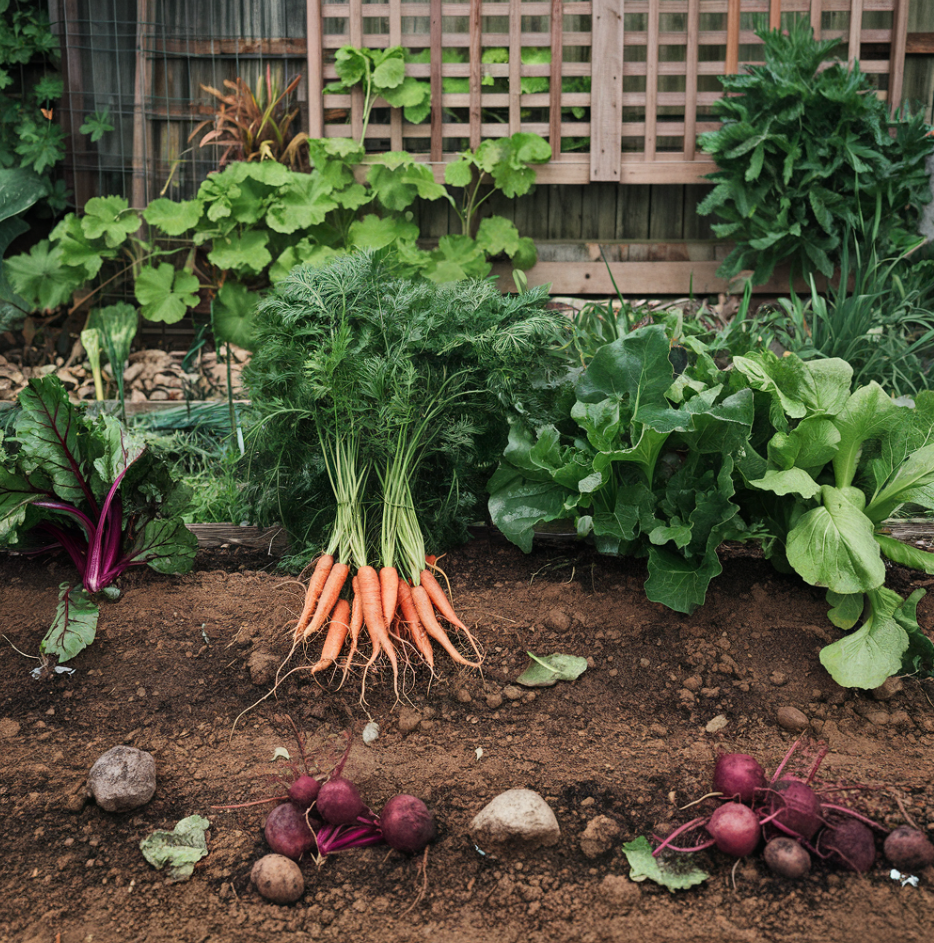
Are you looking to start a vegetable garden in your backyard? The first and most crucial step in the process is selecting the best garden soil for vegetables. The right soil will not only support the growth and development of your plants but also ensure that they remain healthy throughout the growing season.
However, with so many different types of soil available in the market, it can be challenging to determine which one is suitable for your vegetable garden. In this article, we will guide you through the factors to consider when selecting soil for your garden, and provide recommendations so that you can grow a thriving veggie patch in Australia.
Key Takeaways
- Choosing the best garden soil for vegetables is crucial for a successful vegetable garden in Australia.
- The right soil type will support the growth and development of your plants and ensure that they remain healthy throughout the growing season.
- Factors to consider when selecting soil for your garden include soil type, nutrient content, pH level, and drainage.
- Organic soil and soil amendments can improve soil quality and provide essential nutrients for your plants.
- Testing your soil and preparing it for planting, improving soil drainage, and maintaining nutrient-rich soil are essential for a healthy vegetable garden.
- Container gardening requires specific considerations and soil choices, while composting and mulching can contribute to healthy soil for vegetable gardens.
- Top-rated garden soil brands in Australia include Seasol, Richgro, and Osmocote.
Why Choosing the Right Soil Matters
When it comes to growing vegetables, choosing the right soil is crucial for optimal plant growth and a bountiful harvest. The soil your veggies grow in plays a significant role in their nutrient uptake, water retention, and overall health. Poor soil quality can lead to stunted growth, low yields, and even plant disease.
By selecting the best soil for your vegetable garden, you can provide your plants with the ideal environment to thrive. The right soil can help your plants develop strong root systems, resist common pests and diseases, and produce a high yield of fresh, healthy veggies.
Factors to Consider When Choosing Garden Soil for Vegetables
Choosing the right soil for your vegetable garden is essential for the health and growth of your plants. There are several key factors to consider when selecting soil for your veggie patch.
| Factor | Description |
|---|---|
| Texture | The texture of the soil refers to the size of its particles. Soil can be sandy, loamy or clayey. Sandy soil drains water quickly and is easy to work with, but it may not retain enough moisture for some plants. Loamy soil is a blend of sand, silt and clay, which creates a well-draining soil that retains moisture. Clayey soil can be rich in nutrients, but it can become waterlogged, making it difficult for plants to grow. |
| pH level | The pH level of soil is important because it affects the availability of nutrients to plants. Most vegetables prefer a slightly acidic soil with a pH level between 6.0 and 6.8. |
| Nutrients | Nutrients are essential for plant growth and health. The most important nutrients for vegetable gardens are nitrogen, phosphorus and potassium. Soil that is rich in organic matter usually contains all the necessary nutrients for plant growth. |
| Density | The density of soil refers to its weight per unit of volume. Soil that is too dense can make it difficult for roots to penetrate and grow. A well-aerated soil will allow roots to grow quickly and deeply. |
| Water retention | The ability of soil to retain water is important for plant growth. Soil that is too dry may not provide enough moisture for plants to grow, while soil that is too wet can lead to root rot. A balance between air and water in the soil is essential for plant growth. |
Consider these factors when choosing the best soil for your vegetable garden. A soil that is well-balanced in texture, pH level, nutrients, density and water retention will provide the best growing conditions for your vegetables.
Types of Soil for Vegetable Gardens
Choosing the right soil mix for growing vegetables is crucial for the success of your vegetable garden. Below are the different types of soil for vegetable gardens, with their pros and cons.
| Soil Type | Pros | Cons |
|---|---|---|
| Topsoil | Good for adding volume to garden beds | May contain weed seeds or pests |
| Compost | Rich in nutrients | May be too acidic or alkaline, needs to be mixed with other soils |
| Peat Moss | Retains moisture well, improves soil structure | Expensive, may contain excess salts or low pH levels |
| Vermiculite | Retains moisture and nutrients, improves aeration | Expensive, does not provide enough nutrients on its own |
| Perlite | Improves drainage and aeration | Does not provide nutrients, can be easily blown away by wind |
| Coir | Environmentally friendly, retains moisture well | May be too compact, needs to be mixed with other soils |
It is important to note that these soil types are not exclusive and can be combined to create the best soil mix for growing vegetables. Experiment with different combinations to find the perfect mix for your garden.
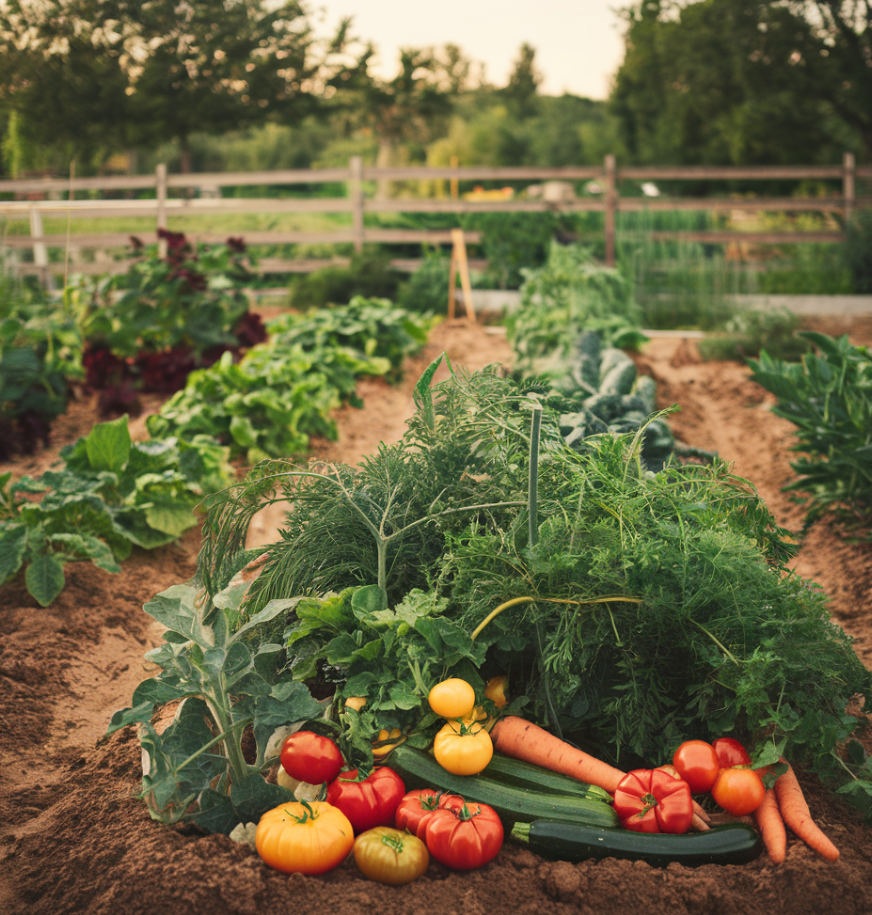
Organic Soil for Vegetable Gardens: A Natural Choice
If you want to grow healthy and nutritious vegetables, using organic soil is a smart choice. Organic soil is free from synthetic fertilizers and pesticides which can harm the environment and accumulate in the vegetables you grow.
Organic soil is also rich in nutrients that are essential for plant growth, such as nitrogen, phosphorus, and potassium. When you use organic soil, you not only promote the health of your vegetables, but also the overall health of your garden ecosystem.
Creating Organic Soil
You can easily create your own organic soil by composting kitchen and yard scraps. Composting is the process of breaking down organic matter into a nutrient-rich soil amendment that can be added to your garden.
To create compost, simply gather organic material like fruit and vegetable scraps, coffee grounds, leaves, and grass clippings. Layer the materials in a compost bin or pile, adding some soil in between the layers to introduce microorganisms that will break down the organic matter.
Turn the compost occasionally to aerate and mix the material, and within a few months, you’ll have nutrient-rich compost that can be mixed into your garden soil for a healthy and organic vegetable garden.
The Benefits of Organic Soil
Using organic soil has many benefits for your vegetable garden. Here are just a few:
- Organic soil is free from harmful chemicals.
- Organic soil promotes the growth of healthy and nutritious vegetables.
- Organic soil helps maintain a healthy garden ecosystem.
- Organic soil can help improve soil structure and water retention.
- Organic soil can reduce erosion and runoff.
By choosing organic soil for your vegetable garden, you’re not only promoting the health of your plants, but also the health of the environment.
Essential Soil Amendments for Vegetable Gardens
Adding soil amendments to your vegetable garden can improve soil quality, increase plant growth and yield, and help prevent diseases and pests. Here are some essential amendments to consider:
| Type of Amendment | Benefit |
|---|---|
| Compost | Improves soil structure, adds nutrients, and helps retain moisture |
| Blood and bone meal | Provides a slow-release source of nitrogen and phosphorus |
| Fish emulsion | Increases soil fertility and promotes healthy plant growth |
| Bone char | High in phosphorus and calcium, promotes root growth and strengthens plant structure |
| Gypsum | Improves soil structure and water penetration, reduces soil acidity, and adds calcium and sulfur |
It’s important to note that not all amendments are suitable for all soil types. For example, if your soil is already high in calcium, adding gypsum may be detrimental to plant growth. Additionally, it’s important to follow instructions carefully when applying amendments, as over-application can lead to nutrient imbalances and harm plants.
When and How to Apply Amendments
The timing and method of applying amendments can also affect their effectiveness. Compost can be added at any time, but it’s best to work it into the soil before planting. Blood and bone meal, fish emulsion, and bone char are typically applied before planting or as a side dressing during the growing season.
Gypsum is best applied in the fall or winter, as it takes several months to have an effect on soil structure and pH. It should be finely ground and applied evenly over the soil surface, then worked into the top few inches of soil.
Remember to always wear gloves and a mask when handling amendments to protect your skin and lungs from dust and bacteria.
Testing and Preparing Your Soil
Before planting your vegetables, it’s essential to test your soil to determine its pH level and nutrient content. You can purchase a soil test kit from your local garden center or send a sample to a lab for analysis. Once you have your results, you can adjust your soil accordingly to ensure optimal growing conditions for your veggies.
Preparing your soil involves removing any weeds or debris and loosening the soil with a garden fork or tiller. If your soil is compacted, mix in some organic matter such as compost, aged manure, or peat moss to improve drainage and aeration.
It’s important to note that different plants have different soil requirements, so be sure to select soil amendments that are suitable for the vegetables you plan to grow. For example, tomatoes thrive in slightly acidic soil, while carrots prefer a sandy soil that drains well.
Once you have prepared your soil, you’re ready to start planting your vegetable garden.
Improving Soil Drainage for Vegetable Gardens
Proper drainage is essential for a thriving vegetable garden, as excess water can drown roots and lead to fungal diseases. If your soil is too compact or has poor drainage, here are some methods for improving it:
1. Add Organic Matter
Organic matter, such as compost and aged manure, can improve soil structure and water-holding capacity, allowing for better drainage. Work in a 2- to 3-inch layer of organic matter into the top 6 inches of soil.
2. Use Raised Beds
Raised beds can improve drainage, especially in areas with heavy clay soil. Elevating the soil also makes it easier to control soil quality and temperature. Make sure the walls of the raised bed are at least 6 to 8 inches high and fill with well-draining soil mix.
3. Install Drainage Pipes
If your soil has chronic drainage issues, you may need to install drainage pipes. Dig trenches around the garden bed and insert perforated pipes that slope away from the garden. Cover with gravel, sand, or a geotextile fabric to prevent soil from clogging the pipes.
Remember, good soil drainage is key to a healthy vegetable garden. Take the time to assess and improve your soil drainage before planting to ensure the best growing conditions for your vegetables.
Maintaining Nutrient-Rich Soil in Your Vegetable Garden
One of the keys to success with a vegetable garden is maintaining nutrient-rich soil throughout the growing season. Here are some tips for keeping your soil healthy:
- Rotate your crops: Planting a variety of vegetables in different spots each year can help prevent soil-borne diseases and pests from taking hold.
- Add compost and organic matter: Regularly adding compost and other organic materials, such as leaves or grass clippings, can help replenish nutrients in the soil and improve its structure.
- Fertilize wisely: While fertilizers can be helpful for providing additional nutrients, it’s important to use them judiciously. Too much can lead to imbalances and damage to the soil ecosystem.
- Use cover crops: Planting cover crops, such as clover or rye, during fallow periods can help prevent erosion, improve soil structure, and add nutrients as they decompose.
- Test your soil: Regular soil testing can help you understand what nutrients your soil needs and how to adjust your fertilizer or compost applications accordingly.
Tip: Be sure to water your garden regularly and consistently. Inconsistent watering can lead to stress for plants and can impact nutrient uptake.
Container Gardening and Soil Selection
Container gardening is a great way to grow vegetables in smaller spaces or areas with poor soil quality. When selecting soil for container gardening, it’s important to consider the type of container and the specific needs of the vegetables you plan to grow.
The ideal soil for container gardening is one that is light, well-draining, and nutrient-rich. Look for potting mixes that are specifically formulated for vegetable container gardening. These mixes may contain perlite, vermiculite, or other materials that improve drainage and aeration.
If you’re using a larger container, it may be more cost-effective to create your own soil mix. A basic recipe for vegetable container gardening soil is equal parts compost, peat moss, and vermiculite or perlite.
When selecting a container, choose one that is the appropriate size for the plants you intend to grow. Vegetables like tomatoes, peppers, and eggplants require larger containers, while herbs and leafy greens can thrive in smaller pots.
Remember to keep the container well-watered, as soil in containers can dry out quickly. Consider adding a layer of mulch to help retain moisture and regulate soil temperature.
The Role of Composting in Soil Health
Composting is a natural process that converts organic materials, such as kitchen scraps, yard waste, and leaves, into nutrient-rich soil. Adding compost to your vegetable garden can improve soil structure, increase water-holding capacity, and provide an abundant source of nutrients for your plants. Here are some of the benefits of composting:
- Enhances soil fertility: Compost contains a rich blend of nutrients that can improve soil fertility, including nitrogen, phosphorus, and potassium. Using compost in your vegetable garden can help your plants grow stronger and healthier.
- Improves soil quality: Composting can help improve soil structure and texture, making it easier for plants to grow roots and absorb water and nutrients. It can also help increase soil porosity, allowing water and air to move freely through the soil, which is essential for healthy root growth.
- Reduces waste: Composting is an effective way to reduce the amount of organic waste you send to landfill. Instead of throwing away kitchen scraps and yard waste, you can turn them into valuable soil for your vegetable garden.
Composting is easy to do and can be done using a variety of methods. Some people choose to build their own compost bin, while others use a tumbler or a worm farm. Whatever method you choose, composting is a great way to improve soil health and support a healthy vegetable garden.
Mulching Your Vegetable Garden for Soil Conservation
Mulching is an essential practice in vegetable gardening as it helps to conserve moisture, suppress weeds, reduce soil erosion, and regulate soil temperature.
Organic mulches, such as straw, grass clippings, leaves, and bark chips, break down over time, releasing nutrients back into the soil. Inorganic mulches, such as plastic sheeting, gravel, and rocks, do not break down and can hinder soil health.
When choosing a mulch for a vegetable garden, consider the following:
| Mulch Type | Pros | Cons |
|---|---|---|
| Organic | – Improves soil structure and fertility – Provides nutrients to plants – Biodegradable and sustainable | – May attract pests and rodents – May contain weed seeds – Requires regular replenishment |
| Inorganic | – Long-lasting and low maintenance – Effective at weed suppression and soil erosion control – Retains soil moisture | – Can hinder soil health and earthworm activity – May overheat soil and harm plant roots – Non-biodegradable and unsustainable |
To mulch a vegetable garden, apply a layer of 5-10cm of mulch around the base of plants, leaving space around the stems to prevent rot. Avoid piling mulch against plant stems, as it can cause stem rot.
Mulch should be reapplied as needed throughout the growing season, typically every 6-8 weeks for organic mulches, and every 1-2 years for inorganic mulches.
By using the right mulch in your vegetable garden, you can help conserve soil moisture, reduce weed growth, and promote healthy soil for optimal plant growth.
Best Garden Soil Brands for Growing Vegetables in Australia
When it comes to selecting the best garden soil for vegetables in Australia, it can be helpful to know some of the best brands available. Here are some highly recommended options:
| Brand Name | Benefits | Price Range |
|---|---|---|
| Scotts Osmocote | Contains nutrients that gradually release over time, promoting healthy plant growth | $15-$30 for 25L |
| Dynamic Lifter | Organic and environmentally friendly, enriched with poultry manure and blood and bone | $10-$25 for 25L |
| Debco | Australian-made and formulated for specific plants, such as tomatoes and herbs | $10-$20 for 25L |
| Bio-Weed | Contains natural weed inhibitors and promotes soil health and fertility | $25-$40 for 25L |
Of course, there are many other quality garden soil brands available in Australia, so it’s worth researching and trying out different options to see what works best for your vegetable garden. Keep in mind that investing in high-quality soil can make a significant difference in the success of your veggie patch.
Conclusion
Choosing the right garden soil for vegetables is crucial for a thriving veggie patch. By taking into consideration factors such as soil type, amendments, drainage, and composting, gardeners can create nutrient-rich soil that promotes plant growth and health.
When looking for the best garden soil brands in Australia, consider top-rated options such as Seasol, Scotts, and Osmocote.
Don’t forget to test and prepare your soil before planting, and to maintain nutrient-rich soil throughout the growing season with mulching and composting.
With the right soil and care, a bountiful vegetable garden is within reach. Happy planting!
FAQ
Q: What is the importance of choosing the right soil for a vegetable garden in Australia?
A: Choosing the right soil is crucial for the success of your vegetable garden in Australia. It provides the essential nutrients and structure necessary for healthy plant growth and high yield.
Q: Why does choosing the right soil matter?
A: Choosing the right soil is important because it directly impacts the growth and development of your vegetables. The right soil provides optimal conditions for root development, water retention, and nutrient absorption, leading to healthier plants and better harvests.
Q: What factors should I consider when choosing garden soil for vegetables?
A: There are several factors to consider when choosing garden soil for vegetables. These include the soil texture, nutrient content, pH level, drainage, and organic matter content. Each factor plays a role in providing the ideal conditions for vegetable growth.
Q: What are the different types of soil suitable for vegetable gardens?
A: There are various types of soil suitable for vegetable gardens, including sandy soil, loamy soil, and clay soil. Each soil type has its advantages and disadvantages, and the choice depends on the specific needs of the vegetables you wish to grow.
Q: Why should I consider using organic soil for my vegetable garden?
A: Organic soil is a natural choice for vegetable gardens as it promotes soil health, minimizes chemical exposure, and supports sustainable gardening practices. It also enriches the soil with essential nutrients and beneficial microorganisms, resulting in healthier, more flavorful vegetables.
Q: What are the essential soil amendments for vegetable gardens?
A: Soil amendments are important for providing the necessary nutrients and improving soil structure in vegetable gardens. Some essential amendments include compost, aged manure, bone meal, and vermicompost. These amendments enhance soil fertility and promote healthy plant growth.
Q: How do I test and prepare my soil for planting vegetables?
A: Testing your soil’s pH level and nutrient content can help you understand its current condition and make appropriate adjustments. To prepare your soil, remove any weeds or debris, loosen compacted soil, and incorporate organic matter or amendments as needed.
Q: Why is proper soil drainage important for vegetable gardens?
A: Proper soil drainage is crucial for vegetable gardens as it prevents waterlogging, which can lead to root rot and other plant diseases. Improving soil drainage ensures that excess water can flow away from the root zone, allowing plants to thrive.
Q: How can I maintain nutrient-rich soil in my vegetable garden?
A: To maintain nutrient-rich soil, regularly incorporate organic matter such as compost or aged manure, practice crop rotation, and use organic fertilizers as needed. It’s also essential to monitor soil moisture and pH levels to ensure optimal nutrient availability for your vegetables.
Q: What should I consider when selecting soil for vegetable container gardening?
A: When selecting soil for vegetable container gardening, consider factors such as water retention, drainage, and nutrient content. Opt for a lightweight potting mix specifically formulated for containers to ensure proper plant growth and development.
Q: What is the role of composting in soil health for vegetable gardens?
A: Composting plays a vital role in soil health for vegetable gardens. It contributes organic matter, improves soil structure, and enriches the soil with beneficial microorganisms. Compost also helps retain moisture, suppresses weed growth, and reduces the need for synthetic fertilizers.
Q: Why is mulching important for vegetable gardens?
A: Mulching is important for vegetable gardens as it helps conserve soil moisture, suppresses weed growth, regulates soil temperature, and prevents erosion. Additionally, organic mulches gradually decompose and add nutrients to the soil, further enhancing its fertility.
Q: What are some top-rated garden soil brands for growing vegetables in Australia?
A: There are several top-rated garden soil brands available in Australia for growing vegetables, including Yates, Richgro, and Seasol. These brands offer high-quality soil products specifically formulated for optimal vegetable growth.
Q: What is the best soil mix for a veggie garden?
A: The best soil mix for a veggie garden typically includes a blend of organic materials such as loam, worm castings, and fresh compost. This combination creates an open structure that promotes excellent water holding capacity while ensuring proper drainage. For those using raised garden beds, incorporating mushroom compost and cow manure can enhance the nutrient content, making your veggie patch thrive.
Q: How can I improve clay soil for my organic garden?
A: Improving clay soil for your organic garden involves creating a soil blend that enhances drainage and nutrient availability. You can add a layer of soil composed of organic matter, such as shredded leaves, compost, or well-rotted manure. Mixing in landscape supplies like sand can also help break up the clay structure, allowing for better root penetration and moisture retention, which is essential for healthy vegetable growth.
Q: What gardening tips can help with problems in raised garden beds?
A: To address problems in raised garden beds, it’s crucial to start with the ideal soil mix. Use a premium soil that contains a balance of organic matter and minerals. Regularly check for drainage issues and amend the soil as needed with a blend of organic materials. Additionally, employing a soil calculator can help you determine the right amounts of each component to achieve the best soil for your specific gardening needs. Keeping your raised gardens well-maintained will ultimately lead to a successful veggie garden.