
Introduction:
Welcome to our comprehensive guide on Calothamnus quadrifidus, popularly known as the One-sided Bottlebrush. This article aims to provide valuable insights into the characteristics, cultivation techniques, and overall allure of this remarkable plant species. Whether you are an experienced gardener or just starting your horticultural journey, this guide will equip you with the knowledge to successfully grow and appreciate the beauty of Calothamnus quadrifidus.
Calothamnus quadrifidus is a shrub up to 2m tall. It is recorded along the coastal regions of WA and has also been planted in various public places such as beach car parks.
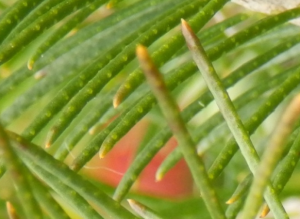
Characteristics:
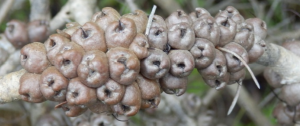
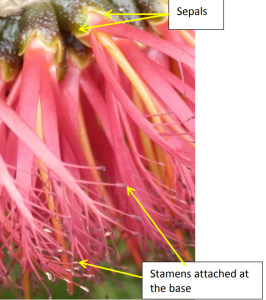
Calothamnus quadrifidus boasts unique features that make it stand out in any landscape. Its spectacular bottlebrush-like flowers, clustered on one side of the stem, are the plant’s defining characteristic. These blooms are typically bright red or pink, adding a burst of vibrant color to the surroundings. The plant’s needle-like foliage further enhances its visual appeal, with long, slender leaves that add an elegant touch to its overall appearance.
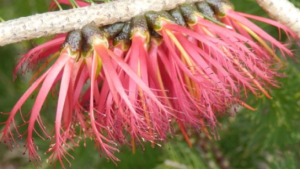
sepals and 4 petals which fall early.
Cultivation Tips:
- Sunlight Requirements: Calothamnus quadrifidus thrives in full sun exposure. It requires at least 6-8 hours of direct sunlight per day to ensure optimum growth and prolific flowering.
- Soil Preference: This species prefers well-draining, sandy soils. It can tolerate a range of soil types but performs best in slightly acidic to neutral soil pH. Adding organic matter can improve soil fertility and water retention.
- Watering Needs: Calothamnus quadrifidus is considered moderately drought-tolerant once established. It prefers regular watering during the establishment phase. After that, reduce the frequency of watering and allow the soil to dry out between waterings to avoid waterlogged conditions.
- Fertilization: Apply a slow-release, balanced fertilizer during the growing season to promote healthy growth and abundant flowering. Follow the manufacturer’s instructions for the appropriate dosage and application method.
- Pruning and Maintenance: Light pruning is generally suitable for Calothamnus quadrifidus to maintain its desired shape and encourage bushiness. Remove any dead or damaged growth and shape the plant after flowering. Regularly monitor for pests or diseases and take prompt action if necessary.
- Propagation: Propagate Calothamnus quadrifidus through seed or semi-hardwood cuttings. Collect seeds from mature capsules and sow them in a well-draining propagation mix. For cuttings, take semi-hardwood stem cuttings and place them in a suitable rooting medium until they develop roots.
The Beauty of Calothamnus Quadrifidus:
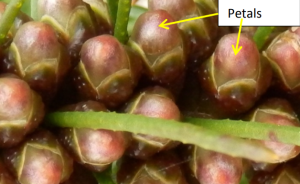
Calothamnus quadrifidus offers numerous aesthetic and environmental benefits. Here are a few reasons to consider including this plant in your garden:
- Striking Landscape Display: The brilliant red or pink bottlebrush flowers of Calothamnus quadrifidus create a captivating visual display. Planting them en masse or as focal points can add a vibrant touch to any garden or landscape.
- Attracting Wildlife: The nectar-rich flowers attract a variety of pollinators, including birds, bees, and butterflies. By incorporating Calothamnus quadrifidus in your garden, you can support local wildlife populations and enjoy the visits of these beautiful creatures.
- Australian Native Charm: Calothamnus quadrifidus is native to Australia, making it an excellent choice for gardeners interested in showcasing the country’s unique flora. It adds a touch of native charm to any garden space.
- Low Maintenance: Once established, Calothamnus quadrifidus requires minimal care, making it suitable for both novice and experienced gardeners seeking low-maintenance options.
Conclusion:
In summary, Calothamnus quadrifidus, with its stunning bottlebrush-like flowers and elegant foliage, is a captivating plant to consider for your garden or landscape. By following the cultivation tips outlined in this guide and appreciating its unique characteristics, you can successfully cultivate and enjoy the splendor of the One-sided Bottlebrush. Embrace the allure of Calothamnus quadrifidus and witness how it enhances the aesthetics and ecological value of your outdoor space.