
Key Takeaways
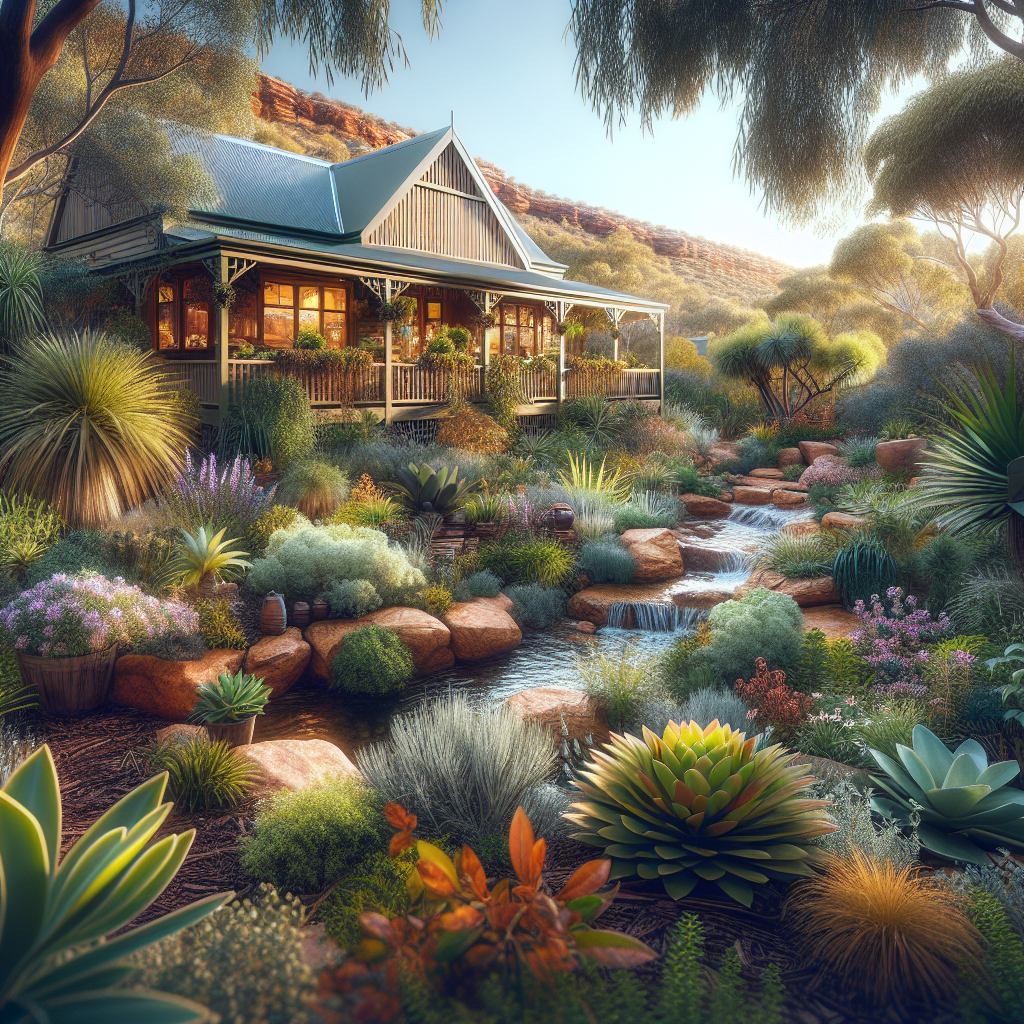
Ever dreamt of a garden that captures the essence of the Aussie landscape while being a cinch to maintain? Enter the world of Australian native gardens, your ticket to a sustainable, low-water oasis that brings a slice of the great Down Under right to your backyard. Let’s scout the terrain for the key takeaways to entice you on this green-thumb adventure.
- Low-Maintenance and Eco-Friendly: Native gardens are a breeze to keep and kind to our planet. They’re drought-tolerant troopers, needing little watering while supporting local wildlife. If you’re after a garden that gives back to Mother Nature, you’ve hit the jackpot!
- Selecting the Right Plants: It’s all about choosing native flora that fits like a glove with your local climate and soil. Sun-lovers or shade-seekers, there’s a native plant for every nook of your garden, guaranteed to flourish with minimal fuss.
- Design with Intent: Crafting a garden that’s a feast for the eyes and the environment isn’t luck; it’s design smarts. From leveraging the natural landscape to creating zones that serve both you and wildlife, each choice shapes a garden that’s a sanctuary for all.
- Soil and Mulch Magic: The secret’s in the soil! Get the dirt on proper soil prep and mulching techniques that set the stage for a thriving garden. Remember, happy soil equals happy plants!
- Water Wisely: Clever irrigation strategies ensure every drop counts. From drip systems to rainwater harvesting, these tips keep your garden lush without wasting water.
- Effortless Upkeep: With native plants, less is more. They’re low-care charmers that thrive on a ‘less water, more love’ approach, making maintenance a walk in the park.
- Wildlife Wonderland: Your native garden can be a buzzing hub for birds, bees, and butterflies. By providing food, shelter, and water, you’re not just gardening; you’re creating a living, breathing ecosystem.
Ready to roll up your sleeves and dive into a gardening experience that’s as rewarding as it is responsible? A native garden is not only a feast for the eyes but a boon for the environment—the ultimate win-win for avid gardeners and nature lovers alike!
I. Understanding Australian Native Gardens: Benefits and Basics
Australian native gardens are not only beautiful and unique, but they also offer a range of benefits that make them a popular choice for homeowners. Whether you’re looking to create a low-maintenance oasis or contribute to the conservation of local flora and fauna, understanding the basics of Australian native gardens is essential.
One of the main benefits of Australian native gardens is their ability to thrive in low-water conditions. Australia is known for its arid climate, and native plants have adapted to survive in these challenging environments. By choosing native plants, you can significantly reduce your water usage and create a sustainable garden that requires minimal maintenance.
Another advantage of Australian native gardens is their ability to attract and support local wildlife. Native plants provide food and shelter for a variety of animals, including birds, butterflies, and bees. By creating a biodiverse sanctuary in your backyard, you can contribute to the preservation of Australia’s unique ecosystems.
When it comes to selecting the right native plants for your garden, it’s important to consider your local climate and soil conditions. Australia is a vast country with diverse landscapes, and different regions have their own unique native plants. Researching which plants are native to your area will ensure that your garden thrives and stays true to the natural landscape.
Design principles play a crucial role in creating a sustainable Australian garden. By using native plants in a thoughtful and strategic way, you can create a visually appealing and functional space. Consider factors such as plant height, color, and texture to create a garden that is both aesthetically pleasing and ecologically beneficial.
Soil preparation and mulching techniques are also essential for the success of an Australian native garden. Native plants are adapted to grow in specific soil types, so it’s important to prepare the soil accordingly. Adding organic matter and ensuring good drainage will help your plants establish strong root systems and thrive in their new environment.
Overall, understanding the benefits and basics of Australian native gardens is the first step to creating a sustainable and beautiful outdoor space. By selecting the right plants, utilizing design principles, and preparing the soil properly, you can create an oasis that not only conserves water but also supports local flora and fauna. So, let’s embark on this journey to discover the wonders of Australian native gardens!
II. Selecting the Right Native Plants for Your Low-Water Oasis
Now that you understand the benefits of Australian native gardens, it’s time to dive into the exciting world of selecting the right native plants for your low-water oasis. Choosing the perfect plants is key to creating a sustainable and visually appealing garden that thrives in your local climate.
Before you start picking out plants, it’s essential to assess your garden’s environmental conditions. Take note of the amount of sunlight your garden receives throughout the day, as this will determine the types of plants that will thrive. Some native plants prefer full sun, while others can tolerate partial shade.
Next, consider the soil quality in your garden. Australian native plants are adapted to specific soil types, so it’s important to select plants that are suited to your soil’s pH and texture. If you’re unsure about your soil type, you can purchase a soil testing kit or consult with a local horticulturist for guidance.
Once you have a good understanding of your garden’s conditions, it’s time to start exploring the wide variety of native plants available. Australian native gardens offer an array of stunning options, from vibrant flowering plants to graceful grasses and shrubs.
When selecting plants, it’s helpful to consider their growth habits and maintenance requirements. Some native plants are known for their low-maintenance nature, making them perfect for busy homeowners. Others may require regular pruning or specific care techniques.
It’s also worth considering the ecological benefits that certain plants can provide. Native plants that attract pollinators, such as bees and butterflies, can contribute to the overall health of your garden and ecosystem. Look for plants with nectar-rich flowers or those that provide food and shelter for local wildlife.
To make the selection process easier, consult with local nurseries or gardening experts who specialize in Australian native plants. They can provide valuable advice on which plants are best suited to your specific region and offer insights into their growth habits and care requirements.
Remember, creating a stunning and sustainable Australian native garden is all about finding the perfect balance between aesthetics and ecological value. By selecting the right plants for your low-water oasis and considering their growth habits and maintenance requirements, you can create a garden that not only looks beautiful but also supports the local ecosystem. So start exploring the world of Australian native plants and bring your garden to life!
III. Design Principles for a Sustainable Australian Garden
Now that you’ve selected the right native plants for your low-water oasis, it’s time to dive into the design principles that will help you create a sustainable Australian garden. By following these guidelines, you can create a visually appealing and environmentally friendly outdoor space that will thrive for years to come.
1. Consider the Natural Landscape
When designing your Australian native garden, take inspiration from the natural landscape of your region. Consider the colors, textures, and forms that are characteristic of the local environment. By incorporating these elements into your garden, you can create a seamless transition between your property and the surrounding natural areas.
2. Embrace Plant Diversity
Australian native gardens are known for their biodiversity, so make sure to include a variety of plant species in your design. By selecting plants with different heights, textures, and bloom times, you can create visual interest and provide a habitat for a wide range of wildlife. Mix flowering plants with grasses, shrubs, and trees to create a balanced and dynamic garden.
3. Create Functional Zones
Divide your garden into functional zones to make the most of your space. Consider creating areas for relaxation, entertainment, and wildlife habitat. By incorporating seating areas, paths, and bird feeders, you can enjoy your garden while also providing essential resources for local wildlife.
4. Use Water-Efficient Design Techniques
Water is a precious resource, especially in Australia’s arid climate. To conserve water in your garden, incorporate water-efficient design techniques. Use techniques such as swales, rain gardens, and water-wise irrigation systems to capture and distribute rainwater effectively. Mulching is also crucial for retaining moisture in the soil and reducing water evaporation.
5. Prioritize Sustainable Materials
When it comes to hardscaping elements in your garden, prioritize sustainable materials. Opt for locally sourced and recycled materials whenever possible. Use permeable paving to allow water to penetrate the soil and reduce runoff. By choosing sustainable materials, you can minimize your garden’s environmental impact.
6. Plan for Easy Maintenance
Australian native gardens are known for their low-maintenance nature, but that doesn’t mean you should neglect maintenance altogether. When designing your garden, consider how much time and effort you can commit to its upkeep. Choose plants that require minimal pruning or fertilizing and plan for easy access to all areas of your garden for efficient maintenance.
7. Seek Advice from Experts
If you’re feeling overwhelmed or unsure about certain aspects of designing your Australian native garden, don’t hesitate to seek advice from experts. Consult with local horticulturists, landscape designers, or gardening clubs who have experience in creating sustainable gardens. They can provide valuable insights and help you make informed decisions.
By following these design principles, you can create a sustainable Australian garden that not only looks beautiful but also supports the local ecosystem. Embrace the natural landscape, prioritize plant diversity, and incorporate water-efficient design techniques to create a garden that will thrive with minimal maintenance. So, let your creativity flow and design an oasis that you and the local wildlife will enjoy for years to come!
IV. Essential Soil Preparation and Mulching Techniques
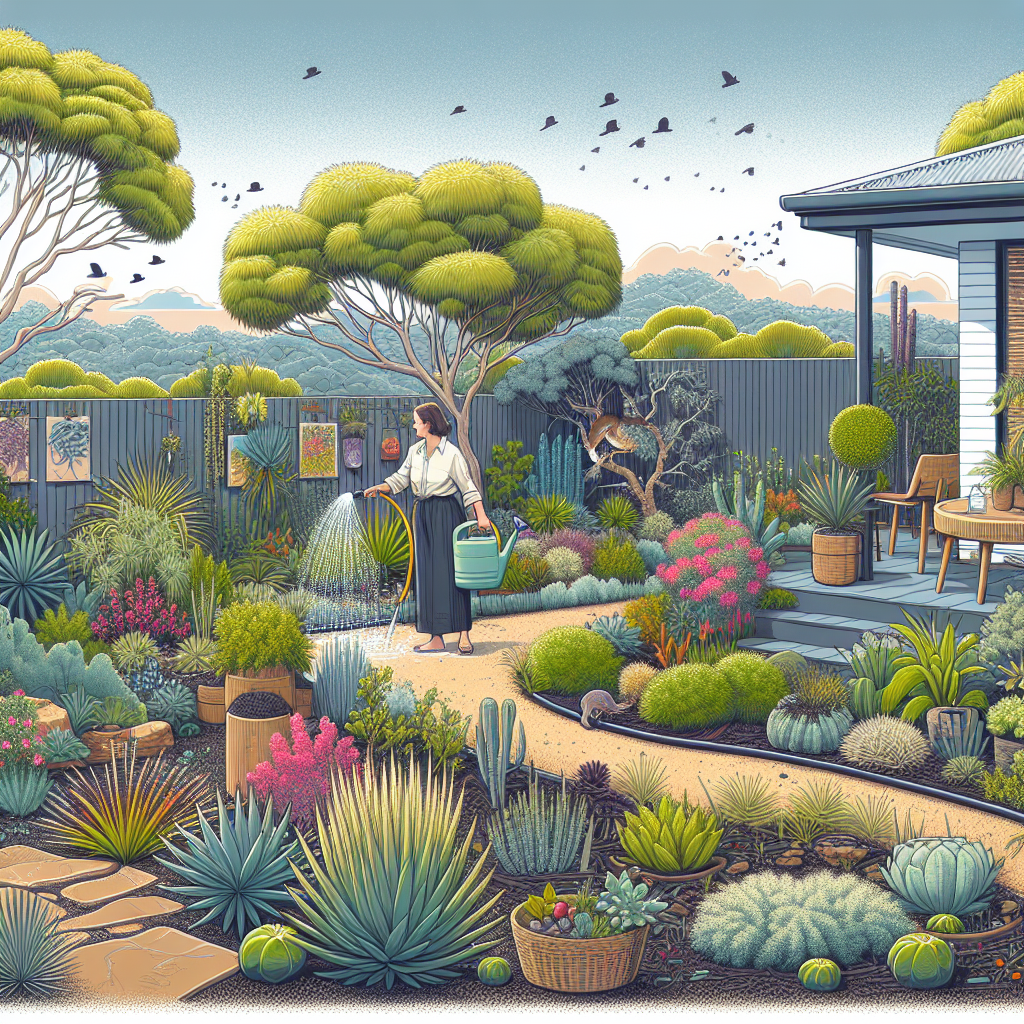
Alright, fellow garden enthusiasts, let’s dig into the nitty-gritty of soil preparation and mulching—two pivotal steps that can make or break the health and happiness of your Australian native garden. Getting these steps right isn’t just about giving your plants a cozy place to put down roots; it’s about building the foundation for a thriving ecosystem right in your backyard. So, grab your gardening gloves, and let’s get started!
Understanding Your Soil
First things first, it’s crucial to know what you’re working with. Not all soil is created equal, and Australian natives particularly thrive in conditions that mimic their natural habitat. Start by assessing your soil type—is it sandy, clayey, or loamy? This knowledge will guide you in adjusting the soil to better suit the needs of your native plants. Remember, most native beauties prefer well-draining soil, so improving drainage might be on your to-do list.
Enriching the Soil
Now, let’s talk about enriching your soil. Incorporating organic matter, such as compost or well-rotted manure, can do wonders. It not only improves soil structure and drainage but also adds essential nutrients. However, be mindful of the amount; native plants are used to nutrient-poor soils, so a little goes a long way.
The Magic of Mulching
Moving on to mulching—this is where the magic happens. Mulch serves as a protective blanket for your soil. It keeps moisture in, regulates soil temperature, and reduces weed growth. For Australian natives, using an organic mulch like bark chips or straw mimics the leaf litter found in their natural environments. Just ensure the mulch is not piled up against plant stems to avoid rot.
- Water Retention: A good layer of mulch can significantly reduce water evaporation, keeping your plants happy with less watering.
- Weed Suppression: By blocking sunlight, mulch naturally discourages weed germination and growth, saving you time and effort in garden maintenance.
- Soil Health: As organic mulch breaks down, it adds nutrients back into the soil, enhancing its overall health and fertility.
In summary, soil preparation and mulching are like setting the stage for a grand performance. With the right setup, your Australian native plants will not only perform—they’ll thrive, bringing beauty, biodiversity, and a slice of the Aussie landscape to your garden. By getting down and dirty with your soil, you’re laying the groundwork for a sustainable, low-water oasis that supports the local ecosystem. So, let’s celebrate the dirt beneath our fingernails, for it’s the sign of a garden well loved and well cared for.
V. Irrigation Strategies for Water-Efficient Aussie Landscapes
Alright, let’s talk about giving your plants a drink without wasting a precious drop! When you’re crafting an Australian native garden, it’s all about smart watering. The goal is to quench your plants’ thirst while being mindful of our environment’s needs, especially in regions where H2O is as precious as gold. So, here’s how to keep your greens hydrated without running the tap dry.
Timing is Everything
First off, **water at the coolest parts of the day**. Early morning is your best bet, as it minimizes evaporation and gives plants time to soak it all up before the heat kicks in. Evening watering is also fine, but watch out for humidity-loving pests and mildew that might crash your garden party at night.
Get to the Root!
Next, let’s talk delivery. **Drip irrigation** is your garden’s secret weapon. It’s like a covert operation where water sneaks directly to the roots, the plant’s command center. This method cuts down on wastage big time because the water goes exactly where it’s needed, with less evaporation and no water wasted on the weeds.
- Efficiency: Drip systems can save up to 60% more water than traditional sprinklers.
- Adaptability: They can be easily adjusted to fit the specific needs of each plant – some like a little sip, and others prefer a gulp!
Make Every Drop Count
For those who love gadgets, consider installing a **smart irrigation controller**. These nifty devices monitor weather forecasts and soil moisture levels, adjusting water schedules to avoid over-watering. It’s like having a personal garden assistant who’s always on the ball.
Harvest the Heavens
And don’t forget, Mother Nature provides free water – it’s called rain! Set up a **rainwater harvesting system** to capture and store this gift from the heavens. Use it for your garden, and your plants will be singing in the rain, quite literally.
In a nutshell, water-efficient irrigation is all about being strategic. It’s the difference between splashing in a puddle and savoring a fine wine – every drop is precious. By using these smart watering strategies, you’re not only nurturing your garden but also leading the charge in water conservation. So, let’s raise our watering cans (or turn on our drip systems) to a lush, vibrant native garden that respects our planet’s resources!
VI. Maintaining Your Native Garden with Minimal Water Use
So, you’ve lovingly planted your Aussie natives, you’re admiring the symphony of colors and textures in your sustainable sanctuary, and you’re feeling pretty chuffed with your eco-friendly oasis. But wait, the journey isn’t over yet! Now, it’s all about keeping this paradise pristine with minimal water use. Fear not, my green-thumbed friends—this is where the fun continues, and I’m here to guide you through it!
Going Native Means Going Easy
Here’s the good news: by choosing native plants, you’ve already set yourself up for success. These local heroes are the Bear Grylls of the plant world—they’ve adapted to our Australian climate and know how to thrive in our unique conditions. This means they inherently require less water and are champions at fending off pests and diseases, saving you a bucket-load of time and water.
Observe and Adapt
Now, the key to maintenance is to observe and adapt. Keep an eye on your green mates and get to know their quirks and thirst levels. Some might need a drink more often than others, but many Australian natives are quite content with a splash of water only now and then. Overwatering can be just as harmful as under-watering, so let’s tune in to what our plants are telling us.
- Companion Planting: Grouping plants with similar water needs together can make watering more efficient and reduce squabbles among plants about who’s had more than their fair share of H2O.
- Love the Leaf Litter: Resist the urge to tidy up too much. A bit of natural leaf litter isn’t just a blanket for your soil; it’s a mini-ecosystem that helps retain moisture and adds nutrients as it breaks down.
Be Water-Wise
When you do need to water, remember that less is often more. Use a watering can or a hose with a trigger nozzle to target the base of your plants, right where the roots can soak it up. Got a bit of a dead spot? Give it a poke with a screwdriver or a fork to help water penetrate that stubborn soil.
In short, maintaining your native garden without overusing water is all about embracing the laid-back Aussie lifestyle. It’s about working with nature, not against it, and enjoying the low-maintenance beauty of our native plants. Your garden doesn’t need a flood to flourish—it just needs a mate who’s water-wise. So, put on your most comfortable hat, pour yourself a nice cuppa, and enjoy the simple, satisfying art of maintaining your low-water native garden. Remember, every water-saving effort you make is a high-five to Mother Nature!
VII. Attracting Wildlife: Creating a Biodiverse Sanctuary in Your Backyard
Alright, let’s turn our attention to the lively visitors your native garden can attract. Imagine the pleasure of watching a honeyeater flit from flower to flower or a lizard basking on a warm rock. Creating a space that invites such guests is not just delightful—it’s a crucial step in conserving our local wildlife. Here’s how you can transform your garden into a haven for Australia’s fascinating creatures.
Birds, Bees, and Butterflies: Planting for Pollinators
First up, consider the pollinators. These industrious workers are vital to the health of any garden. To attract them, include a variety of flowering natives that bloom across different seasons. Flowers like grevilleas, kangaroo paws, and bottlebrushes are not just stunning; they’re also irresistible to birds and insects thanks to their nectar-packed blooms. And, if you’re after butterflies, make sure you’ve got the right host plants for their caterpillars to munch on.
Homes for the Critters
Next, think about habitat. A pile of rocks or logs can provide the perfect home for beneficial insects, frogs, and lizards. Nesting boxes can attract birds and even bats, who are excellent at keeping the mosquito population in check. Just remember to place these homes in quiet, sheltered spots where your new friends can feel safe.
- Water Features: A shallow pond or birdbath will not only provide water for wildlife but also become a focal point for feathered and furred creatures alike.
- Dense Plantings: Thick shrubs give small birds protection from predators and a cozy place to call home.
And don’t forget to skip on the pesticides and herbicides. These chemicals can harm the very creatures you’re trying to welcome, as well as the environment at large. In a well-balanced native garden, predators like spiders and birds will keep pests under control, naturally.
Conclusion
So there you have it! We’ve journeyed from understanding the ethos of Australian native gardens to the nectar-rich flowers that beckon to pollinators. You’ve learned the ins and outs of selecting drought-tolerant plants, and the artistic finesse needed in designing a space that’s both beautiful and water-wise. You’re now equipped with the know-how on soil prep, mulching, and the stealthy moves of drip irrigation. We’ve covered maintaining your green paradise with minimal water and the joys of watching wildlife frolic in your garden. Each step is pivotal, from the ground up, literally!
Remember, every native plant you nestle into the soil, every rain droplet you save, counts towards a more sustainable and delightful garden. You’re not just a gardener; you’re a steward of the land, crafting an oasis that pays homage to Australia’s rich flora and fauna. So sit back, enjoy the fruits of your labor, and relish in the buzz of life that your native garden nurtures.