
Introduction:
Welcome to our comprehensive guide on Daucus glochidiatus, commonly known as the Native Carrot. This article aims to provide valuable insights into the characteristics, cultivation techniques, and overall appeal of this fascinating plant species. Whether you are an experienced gardener or a novice, this guide will equip you with the knowledge to successfully grow and appreciate the beauty of Daucus glochidiatus.

Daucus glochidiatus commonly called Australian Carrot is a small annual herb up to 6cm tall, common in the sandy soils around Western Australian coastline, extending from Cape Range in the north to Eucla and inland to Leonora but also occurs in the eastern Australian states. Daucus is of Latin origin used for various plants of the Carrot Family that have medicinal value; and glochidiatus is derived from the Greek meaning having a projecting barbed bristles.
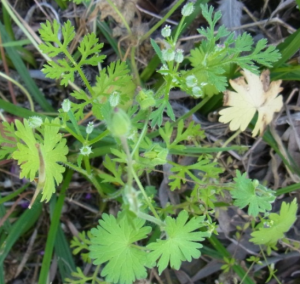
The leaves vary between 2cm and 16cm long and are twice divided. The individual leaflets are egg-shaped up to 2cm long and 1.2cm wide and covered with coarse hairs. The inflorescence consists of 2-5 flower clusters each with 1-6 white, to pink flowers. The flowers are bisexual the calyx and petals arising above the ovary. The fruits are 3-5mm long with each of the 2 fruitlets covered in barbed bristles. It is an intricate little plant and worthy of close examination.
Characteristics:
Daucus glochidiatus is a native Australian plant that exhibits unique characteristics. Its most recognizable feature is the distinctive flower head, which resembles an umbrella and is composed of small, delicate white flowers. The flower heads are further adorned with vibrant pink or red bracts, adding an eye-catching splash of color to the landscape. The leaves are finely divided and have a feathery appearance, adding to the plant’s overall charm.

Cultivation Tips:
- Sunlight Requirements: Daucus glochidiatus thrives in full sun to partial shade. Provide the plant with at least 4-6 hours of direct sunlight per day for optimal growth and flowering.
- Soil Preference: This species prefers well-draining soil. Sandy or loamy soils with good moisture retention are ideal. Additionally, adding organic matter to the soil can improve its fertility and drainage capabilities.
- Watering Needs: Daucus glochidiatus prefers moderate watering. Allow the soil to dry out slightly between waterings, as overly moist conditions can lead to root rot. Regularly monitor moisture levels and adjust watering accordingly.
- Propagation: Daucus glochidiatus can be propagated from seed. Sow the seeds directly into the desired planting area during the appropriate season. Scarification, which involves scratching the seed coat, can enhance germination rates.
- Maintenance: This plant generally requires minimal maintenance. Regularly remove weeds and ensure adequate space between plants for proper airflow. Deadheading spent flowers can encourage prolonged blooming.
- Pests and Diseases: Daucus glochidiatus is typically resistant to most pests and diseases. However, it is always important to monitor for potential issues and take appropriate action if necessary.


The Beauty of Daucus Glochidiatus:
Daucus glochidiatus offers both visual appeal and ecological benefits to any garden or landscape. Here are reasons to consider cultivating this native carrot species:
- Native Beauty: Daucus glochidiatus showcases the natural beauty of Australian flora. The unique flower heads and vibrant bracts make it a captivating addition to any garden or natural setting.
- Wildlife Attraction: The flowers of Daucus glochidiatus attract a variety of beneficial insects, such as bees and butterflies, ensuring a thriving and biodiverse ecosystem in your garden.
- Drought Tolerance: This plant displays excellent tolerance to drought conditions, making it suitable for water-wise gardening and arid regions. It can withstand extended periods of dry weather once established.
- Naturalizing Landscapes: Daucus glochidiatus has the ability to naturalize and spread, especially in favorable growing conditions. It can add a wild and effortless beauty to meadows, naturalized areas, or cottage-style gardens.

Conclusion:
In conclusion, Daucus glochidiatus, with its unique flower heads and resilient nature, is a captivating native plant to consider for your garden or landscape. By following the cultivation tips provided in this guide and appreciating its distinctive characteristics, you can successfully grow and enjoy the beauty of the Native Carrot. Embrace the allure of Daucus glochidiatus and witness how it enhances the aesthetics and ecological value of your outdoor space.