
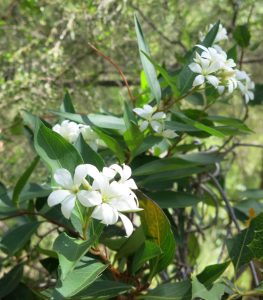
Welcome to the world of West Australian native climbers – a stunning variety of flora that is sure to captivate any nature lover. These climbers are not only beautiful but also serve as an excellent addition to any garden or landscape, providing shade and privacy while enhancing the visual appeal.
Western Australia is home to a diverse range of climbing plants, including native vines that thrive in the region’s unique environment. These plants offer numerous benefits, including supporting the local ecosystem by providing habitat and food for wildlife.
Key Takeaways
- West Australian native climbers are unique and beautiful additions to any garden or landscape.
- Native climbers provide ecological benefits, including supporting biodiversity and providing habitat for wildlife.
The Diversity of West Australian Native Climbers
Western Australia is home to a diverse range of stunning native climbers, each possessing unique characteristics and benefits for a garden or landscape. These plants not only enhance the visual appeal of any outdoor space, but also play an important ecological role in supporting the local ecosystem.
The Types of Climbing Plants
West Australian native climbers can be broadly categorized into two groups: woody and herbaceous plants. Woody climbers, such as the popular wisteria and bougainvillea, have a strong branching structure and tend to grow taller and larger. Herbaceous climbers, on the other hand, have a more delicate structure and are often used to cover walls or add a touch of softness to an outdoor space.
Native Vine Species
Western Australia is also home to a variety of unique native vine species, including the Old Man’s Beard (Clematis aristata) and the Common Fringe Lily (Thysanotus tuberosus). These plants have adapted to the local environment and provide important habitat for local wildlife, such as birds and insects.
Characteristics of West Australian Climbing Flora
West Australian native climbers are known for their hardiness and ability to thrive in low-nutrient soils and hot, dry climates. They offer a wide range of flower colours and shapes, from the vibrant red blooms of the Geraldton Wax (Chamelaucium uncinatum) to the delicate white flowers of the Native Jasmine (Jasminum mesnyi).
Additionally, many of these plants are low-maintenance and require minimal pruning and water, making them an ideal choice for those looking to add a touch of natural beauty to their outdoor space without dedicating too much time or effort towards their upkeep.
The Importance of Indigenous Climbers in Australia
Indigenous climbers play a crucial role in the Australian ecosystem. These plants support biodiversity by providing habitat for native fauna, including insects, birds, and mammals. Additionally, they help to stabilize soil, thereby reducing erosion and preserving landscapes.
Indigenous climbers often possess medicinal properties and have significant cultural and traditional values for many Aboriginal communities. They have been used for thousands of years for medicinal purposes, food, fibre, and hunting and fishing tools.
“Indigenous plants have sustained our people for generations, they are our pharmacy and our supermarket”- Djorabiny Indigenous Nursery
Unfortunately, many indigenous climbing plant species are under threat from habitat destruction, invasive species, and climate change. It’s essential to protect these unique species and ensure they continue to thrive in their natural habitats.
Enhancing Your Garden with West Australian Native Climbers
If you’re looking for a unique and low-maintenance way to enhance your garden, look no further than West Australian native climbers. These stunning plants not only add aesthetic appeal to any landscape, but also provide shade, privacy, and habitat for local wildlife.
Native climbers require little watering or fertilization once established, making them a perfect choice for those wanting to reduce their water usage and gardening maintenance. They also have the added benefit of being adapted to the local climate conditions, making them more resistant to pests and diseases.
These plants are also versatile in their use, whether trained to grow along walls, fences, or trellises, or allowed to cascade over rocks or slopes. With so many options to choose from, there is a West Australian native climber suitable for any garden style.
Exploring Western Australian Climbing Flora
Western Australia is home to a diverse range of climbing plants that add depth and character to any garden or landscape. From delicate vines to robust creepers, there is no shortage of options to suit any taste or purpose. Here, we will explore some of the most notable climbing plant species found in Western Australia.
Wisteria sinensis
One of the most popular and recognizable climbing plants in the world, Wisteria sinensis boasts gorgeous, cascading clusters of purple flowers in the spring and summer. Known for its aggressive growth habits and woody stems, this plant requires strong support, such as a sturdy trellis or pergola. Wisteria sinensis prefers full sun and well-drained soil with moderate moisture.
Grevillea ‘Poorinda Royal Mantle’
This evergreen groundcover is also an excellent climber, with its dense, sprawling foliage and stunning clusters of red flowers that bloom sporadically year-round. Grevillea ‘Poorinda Royal Mantle’ can grow up to two metres in height and three metres in width, so it needs ample space to thrive. It prefers full sun and well-drained soil with low to moderate moisture.
Actinidia kolomikta
Also known as the Arctic kiwi, Actinidia kolomikta is a unique climbing plant with striking variegated leaves that display an array of pastel colours, from pink to green to white. This fast-growing vine can grow up to six metres long and requires support to climb. It prefers partial shade and well-drained soil with high moisture.
These are just a few examples of the many wonderful climbing plants that call Western Australia home. Whether you prefer vibrant flowers, lush foliage or unique variegation, there is a climbing plant out there that is sure to add beauty and character to your garden or landscape.
Native Vines of Western Australia
Western Australia is home to a diverse range of native vines, serving a crucial role in the region’s ecosystems. These vines, also known as lianas, grow vertically from the ground and can often be found wrapped around surrounding trees.
One of the most well-known species is the Hardenbergia comptoniana, commonly known as the Native Wisteria. This climbing plant produces stunning purple flowers during the winter and spring seasons, making it a popular choice for gardens and landscaping.
Another popular native vine is the Kennedia nigricans, also referred to as the Black Coral Pea. This deep purple flowering vine is a fast grower and can provide an impressive display of colour to any garden or landscape.
Supporting Biodiversity
Native vines play an important role in the Western Australian ecosystem, providing habitat and food for native animals, including birds and insects. They also aid in the regeneration of degraded areas, serving as a bridge between different environments and providing a means for plant species to spread and colonize new areas.
It is important to note that some native vines, such as the Calystegia affinis, also known as the Coast False Bindweed, can be invasive if not managed properly. It is crucial to understand the growth habits and requirements of each species to ensure their role in the ecosystem is maintained.
Growing Native Vines
When growing native vines in your garden or landscape, it is important to ensure they are well-suited to the local environment. Most native vines prefer well-drained soil and can tolerate a range of soil types, including sandy, loamy, and clay soils.
Providing a support structure for the vines to grow on, such as a trellis or fence, is also essential. Regular pruning is required to maintain the plant’s shape and to promote healthy growth.
Incorporating native vines into your garden or landscape can provide both aesthetic appeal and environmental benefits. With the right care and management, these nature’s artful creations can thrive and continue to support Western Australia’s unique ecosystem.
The Conservation and Preservation of West Australian Climbers
West Australian native climbers are a vital part of the Australian ecosystem and serve as habitat for a wide range of fauna. However, many of these plant species are threatened due to habitat loss and degradation caused by human activity.
Botanical climbers in Australia, including those found in Western Australia, are currently being monitored and protected by conservation agencies to ensure their survival. The Western Australian government has implemented a series of measures to protect the state’s plant species, including the creation of national parks, nature reserves, and conservation areas.
| Threats to West Australian Climbers | Conservation Efforts |
|---|---|
|
|
The Royal Botanic Gardens in Perth has also made efforts to preserve Western Australian climbing plants by collecting and storing seeds in a seed bank. This helps to ensure the survival of rare and endangered plant species.
“We need to conserve our unique native climbing plants, not only for their beauty and ecological value, but also for their importance in preserving our natural heritage for future generations.”
Protecting Australia’s Botanical Treasures
The protection and preservation of Australian native climbing plants is crucial for maintaining the country’s biodiversity and natural beauty. We must continue to support conservation efforts and make every effort to reduce habitat destruction and degradation so that these natural treasures can be enjoyed for generations to come.
Cultivating Australian Native Climbing Plants
If you’re looking to add some West Australian native climbers to your garden, here are some tips on cultivating these beautiful plants:
Suitable Growing Conditions:
Australian native climbing plants thrive in well-drained soils with plenty of sunlight. Make sure to choose a location in your garden that receives direct sunlight for at least six hours a day. These climbers can also tolerate a wide range of soil types, but prefer slightly acidic soils.
Care and Maintenance:
West Australian native climbers are hardy plants that require minimal care. Water your climbers regularly, especially during the warmer months. You can also add a layer of organic mulch around the base of the plant to help retain moisture and suppress weeds. Prune your climbers regularly to promote healthy growth and remove any dead or damaged stems.
Propagation Techniques:
West Australian native climbers can be propagated through seeds or cuttings. Collect seeds from mature plants and plant them in a seed-raising mix. This is best done during the warmer months. Cuttings can be taken from new growth and should be planted in well-draining soil with some rooting hormone to encourage growth.
By taking care to provide suitable growing conditions, regularly maintaining your plants, and using the proper propagation techniques, you can cultivate beautiful West Australian native climbers in your own garden.
Conclusion
West Australian native climbers are truly nature’s artful creations. These climbing plants offer a unique range of characteristics, from their impressive diversity to their ecological significance. By incorporating them into your garden or landscape, you can enhance the aesthetics of your outdoor space while providing vital habitat for local wildlife.
It is important to remember the importance of conservation and preservation efforts to protect these special plant species. By cultivating them using the tips and techniques discussed in this article, you can play an active role in preserving these botanical wonders for generations to come.
So, take the time to explore the Western Australian climbing flora and discover the beauty and value of these native climbers. You won’t be disappointed!
FAQ
Q: What are West Australian native climbers?
A: West Australian native climbers are climbing plants that are native to Western Australia. They are known for their unique beauty and ability to enhance gardens and landscapes.
Q: What types of climbing plants are found in Western Australia?
A: There is a wide variety of climbing plants found in Western Australia, including vines, creepers, and scramblers. These plants have different characteristics and growth habits.
Q: What is the importance of indigenous climbers in Australia?
A: Indigenous climbers play a vital role in the Australian ecosystem. They provide habitat for wildlife, support biodiversity, and contribute to the overall health of the environment.
Q: How can West Australian native climbers enhance my garden?
A: West Australian native climbers can enhance your garden in several ways. They offer aesthetic appeal, provide shade and privacy, and require minimal maintenance.
Q: What are some specific climbing plant species found in Western Australia?
A: There are numerous climbing plant species found in Western Australia, including the Banksia vine, Scrambling Lily, and Kangaroo Paw vine. Each species has its own unique characteristics.
Q: What are the native vine species of Western Australia?
A: Western Australia is home to several unique native vine species, such as the Hairy Climber, Wongan Vine, and Snottygobble Vine. These vines have distinctive growth habits and flowering patterns.
Q: Why is it important to conserve and preserve West Australian climbers?
A: Conserving and preserving West Australian climbers is crucial for maintaining biodiversity and protecting the natural habitats of these plant species. They face threats from habitat loss and invasive species.
Q: How can I cultivate Australian native climbing plants?
A: Cultivating Australian native climbing plants requires providing suitable growing conditions, regular care and maintenance, and utilizing propagation techniques such as cuttings or seeds.