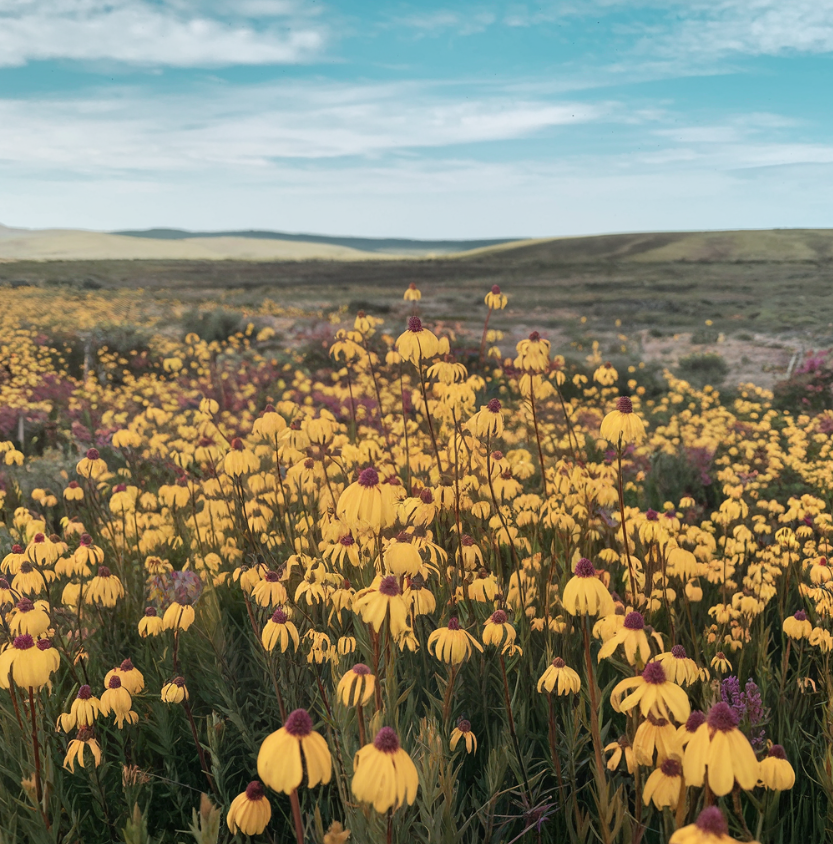
Australia is known for its breathtaking landscapes and diverse wildlife, but few things are as captivating as the wildflowers that bloom across the country. From the red desert sands to the lush rainforests, there is an abundance of native Australian wildflowers waiting to be discovered.
With over 20,000 species of wildflowers, Australia boasts one of the most diverse collections in the world. From delicate orchids to vibrant banksias, each species has a unique charm and beauty that is truly mesmerizing.
Key Takeaways:
Australia is home to over 20,000 species of wildflowers
Wildflowers can be found in diverse landscapes across the country
Australian wildflowers are known for their unique beauty and charm
Exploring the Beauty of Australian Wildflowers
Australia is home to a diverse range of wildflowers, with over 20,000 native species found across the country. From the arid outback to lush rainforests, each region boasts its own unique collection of blooming beauties, making it a haven for wildflower enthusiasts and nature lovers alike.
Popular Australian Wildflower Species
Some of the most popular wildflowers found in Australia include:
Common Name
Scientific Name
Kangaroo Paw
Anigozanthos manglesii
Sturt’s Desert Pea
Swainsona formosa
Waxflower
Chamelaucium uncinatum
Acacia
Acacia spp.
These wildflowers are well-known for their vibrant colours and unique shapes. For example, the Kangaroo Paw has long, tubular flowers that are often red or yellow and bear a striking resemblance to a kangaroo’s paw, while the Sturt’s Desert Pea is a bright, blood-red flower with a distinctive black centre.
Other Unique Australian Wildflowers
Australia is also home to a range of wildflowers that are rare and unique to the country. Some of these include:
“The Kangaroo Paw has long, tubular flowers that are often red or yellow and bear a striking resemblance to a kangaroo’s paw.”
The Giant Donkey Orchid (Diuris magnifica), which features large, bright yellow flowers that look like a donkey’s head
The Red Paper Flower (Coleonema pulchellum), which has delicate, feathery leaves and small, star-shaped flowers that are a deep shade of red
The Yellow Rock Orchid (Dendrobium kingianum), which is a small, delicate orchid with clusters of pale yellow flowers
These rare and exquisite wildflowers are often found in secluded areas and require specific conditions to thrive.
Exquisite and Rare Australian Wildflowers
Australia’s diverse landscapes and harsh climate have given rise to some of the world’s most unique and rare wildflowers. These magnificent plants thrive in some of the harshest environments on earth, from arid deserts to dense rainforests.
One of the most striking of these rare species is the Sturt’s desert pea, which blooms with stunning red and black flowers. This plant is native to the arid regions of central and western Australia and has become an icon of the region’s harsh beauty.
Another rare and beautiful species is the Waratah, which is the official floral emblem of New South Wales. Its striking red flowers are a sight to behold and can be found in the state’s mountainous regions.
The Kimberley region of Western Australia is home to a number of rare and exotic wildflowers, including the Wandoo Waxflower and the Black Kangaroo Paw. These species are found in the region’s rugged terrain and are highly sought after by collectors and gardeners alike.
However, many of these rare and exotic species are under threat due to habitat loss, climate change, and other environmental factors. It is important that we take steps to protect these treasures and ensure that they continue to thrive for generations to come.
The beauty and diversity of Australia’s wildflowers are truly remarkable, and the rare and exotic species are a particular highlight. It is up to us to ensure that these natural wonders are protected and preserved for future generations to enjoy.
Australia’s diverse landscapes are home to some of the world’s most stunning wildflower displays. From the deserts of Western Australia to the alpine regions of Victoria, these nature’s masterpieces bloom each year in vibrant colours, breathtaking shapes, and unique patterns.
The Wildflower Displays in Western Australia
The southwest corner of Western Australia is a world-renowned hotspot for wildflowers. The area boasts more than 12,000 species of native plants, with over 60% of them being found nowhere else on earth. During the spring season, the region explodes in colour with blooms of kangaroo paw, bottlebrush, wattle, and everlasting daisies. Visitors can witness the beauty by driving along the Wildflower Trail or joining a guided tour.
The Wildflower Displays in Victoria
The Alpine regions of Victoria are home to some of the most unique and diverse wildflower displays in Australia. From late spring to early summer, visitors can view the delicate blooms of alpine gentians, billy buttons, and chocolate lilies. The Mount Buffalo National Park and the Bogong High Plains are popular destinations for viewing these wildflowers.
Overall, Australia’s wildflower displays are nothing short of spectacular. Take the time to appreciate and enjoy these natural wonders, which are an integral part of Australia’s rich biodiversity.
Timing is Everything: Best Time to See Australian Wildflowers
Australia is home to a vast array of wildflowers, blooming at different times of the year across various regions. To witness the best wildflower displays, timing is everything. Here’s a guide to the best times to see Australian wildflowers.
Western Australia
The wildflower season in Western Australia is usually from late July to November. The best time to see wildflowers in this region is in September, when the largest number of species are in bloom. Head to the Western Australian Botanic Garden, Kings Park, or Fitzgerald River National Park to witness the stunning displays.
South Australia
In South Australia, the wildflower season runs from August to November. The best time to see wildflowers in this region is in September and October. Some of the best places to experience wildflowers in South Australia include Mount Remarkable National Park and the Flinders Ranges.
New South Wales
The wildflower season in New South Wales is from July to December. The best time to see wildflowers in this region is from September to November. Visit the Blue Mountains Botanic Garden, Mount Tomah, or the Gibraltar Range National Park for beautiful displays of wildflowers.
Victoria
The wildflower season in Victoria is from August to January. The best time to see wildflowers in this region is from September to November. The Grampians National Park, Wilsons Promontory, and the Royal Botanic Gardens Victoria are great places to see wildflowers in Victoria.
Keep in mind that the exact timing of wildflower blooms can vary each year due to weather conditions. To ensure the best experience, check with local visitor centres and wildflower guides for up-to-date information.
Capturing the Beauty: Wildflower Photography Tips
Australian wildflowers are some of the most stunning and unique in the world, making them the perfect subject for photography. Whether you’re a professional photographer or just looking to capture some memorable shots, here are some tips to help you capture the beauty of Australian wildflowers:
1. Timing is Everything
The best time to photograph wildflowers is during the golden hours of sunrise or sunset. This is when the light is soft and warm, creating a beautiful glow on the flowers. Midday light can be harsh and result in overexposed or washed out images.
2. Get Close
Fill the frame with your subject by getting close to the wildflowers. This will showcase the intricate details and textures of the flowers, creating a more impactful image. But be careful not to trample on the delicate flowers or disturb their natural habitat.
3. Play with Depth of Field
By adjusting the depth of field, you can control the amount of background blur in your images. Use a wide aperture (small f-number) to create a shallow depth of field, isolating the flowers from the background. This creates a dreamy and ethereal effect.
4. Composition is Key
Consider the composition of your image when photographing wildflowers. Use leading lines, negative space, and the rule of thirds to create a visually appealing photograph that draws the viewer’s eye to the flowers.
5. Experiment with Perspectives
Explore different angles and perspectives to create unique and interesting photographs. Get down low and shoot from ground-level, or look up towards the flowers. This will create a fresh and dynamic image that stands out from the norm.
By following these tips, you’ll be able to capture the beauty and diversity of Australian wildflowers through photography. Remember to respect the natural environment and to leave no trace when photographing in the wild.
A Guide to Identifying Australian Wildflowers
Identifying Australian wildflowers can be a challenging task due to the vast number of species and variations within each species. However, with some basic knowledge and the right tools, anyone can learn to identify these beautiful blooms.
Key Features to Look for When Identifying Wildflowers
When identifying wildflowers, there are several key features to look for:
Flower shape and color
Leaf shape and arrangement
Stem type and texture
Plant height and growth habit
Habitat and location
By paying attention to these features, it is possible to narrow down the list of potential species and eventually arrive at a positive identification.
Resources and Tools for Identifying Wildflowers
There are several resources and tools available to help with wildflower identification:
Field guides: There are many field guides available that provide detailed descriptions and images of different wildflower species.
Online resources: The internet is a vast resource for wildflower identification. There are many websites that provide images, descriptions, and even forums for discussing and identifying different species.
Smartphone apps: There are several smartphone apps available that can help identify wildflowers based on photos and other information.
Expert Assistance for Identifying Wildflowers
If you are still having trouble identifying a particular wildflower, there are experts available to help. Botanists and other plant experts can provide valuable assistance and often have access to specialized tools and resources that can aid in identification.
Conclusion
Identifying Australian wildflowers can be a fun and rewarding experience. By paying attention to key features and utilizing the right resources, anyone can become an expert at identifying these beautiful blooms.
Famous Wildflower Regions in Australia
Australia is home to several famous wildflower regions that are known for their unique beauty and diverse flora. From the deserts of Western Australia to the alpine meadows of Victoria, here are some must-visit regions for wildflower enthusiasts:
Region
Description
The Kimberley, Western Australia
Located in the northernmost region of Western Australia, The Kimberley boasts a stunning display of wildflowers from June to September. Visitors can witness the rare Sturt’s Desert Pea and the iconic Flame Grevillea in full bloom.
Great Southern, Western Australia
The Great Southern region of Western Australia boasts a diverse range of wildflowers, including the beautiful Queen of Sheba Orchid and the rare Red Beak Orchid. Visitors can explore the forests, coastal heathlands, and wetlands while taking in the stunning displays of wildflowers.
Grampians National Park, Victoria
The Grampians National Park is home to over 800 native plant species, including the colorful Pink Heath and the striking Flame Heath. Visitors can explore the park’s many hiking trails and witness the stunning displays of wildflowers from August to October.
Stirling Ranges, Western Australia
The Stirling Ranges in Western Australia are known for their unique collection of wildflowers, including the vibrant Kangaroo Paw and the rare Mountain Bell. Visitors can also witness the annual display of the Giant Donkey Orchid in September.
These are just a few of the many famous wildflower regions in Australia. Whether you’re a passionate plant enthusiast or simply in search of stunning natural beauty, these regions are not to be missed.
Conservation of Australian Wildflowers
As beautiful and diverse as they are, Australian wildflowers are also delicate and in need of protection. Many species are threatened by factors such as habitat loss, climate change, and invasive species. Conservation efforts play a vital role in ensuring the survival of these natural treasures for future generations to enjoy.
Individuals, organizations, and government entities all have a role to play in wildflower conservation. One of the most important steps individuals can take is to refrain from picking wildflowers, as this can disrupt their natural reproductive cycles and reduce populations. Instead, enjoy their beauty in their natural habitat.
Organizations such as the Australian Native Plants Society and the Wildflower Society of Western Australia are dedicated to the study, cultivation, and conservation of native Australian plant species, including wildflowers. These groups offer resources, educational programs, and volunteer opportunities for those interested in supporting wildflower conservation.
The Australian Government has also recognized the importance of protecting its unique plant life. The Threatened Species Strategy, launched in 2015, includes measures to address threats to native plant species, including wildflowers. The government’s National Landcare Program also supports community-led projects aimed at protecting and restoring natural habitats.
By working together, we can help protect the beauty and diversity of Australian wildflowers, ensuring their survival for generations to come.
Experiencing the Beauty: Wildflower Tours in Australia
For those who wish to fully immerse themselves in the beauty of Australian wildflowers, guided tours are available across the country. These tours offer a unique opportunity to witness and learn about the diverse range of species found in different regions, while also taking in the stunning natural landscapes that serve as their backdrop.
One popular tour is the Kings Park Festival in Perth, Western Australia. During this event, visitors can explore the park’s extensive gardens and displays of wildflowers, and attend workshops and guided walks to learn more about the native flora.
The Australian Capital Territory’s Floriade festival offers another chance to see wildflowers up close. Held annually in Canberra, this event features over a million blooms and attracts visitors from around the world.
For those interested in exploring the outback, guided tours are available in regions such as the Kimberley, the Northern Territory and Queensland. These tours offer the chance to see rare and unique species, as well as witness the vibrant displays of wildflowers that blanket the arid landscape after a rainfall.
There are also self-guided tour options across the country, including the Great Ocean Road in Victoria, where wildflowers bloom along the rugged coastline, and the Blue Mountains in New South Wales, where visitors can hike scenic trails to see a variety of species.
No matter which tour option you choose, experiencing Australia’s wildflowers is a truly unforgettable experience that showcases the country’s natural beauty and diversity.
Conclusion
In conclusion, the wildflowers of Australia are truly a sight to behold. From the vibrant displays in Western Australia to the rare and unique species found throughout the country, Australian wildflowers offer a diverse range of natural beauty. It is important to remember the significance of conserving these treasures for future generations to enjoy. By taking guided tours, exploring famous wildflower regions, and practicing responsible wildflower photography, we can appreciate these wonders while also preserving them for the future. So why not take a blooming journey across the country and explore the stunning wildflowers of Australia for yourself?
FAQ
Q: What are some popular wildflowers in Australia?
A: Some popular wildflowers in Australia include kangaroo paw, waratah, Sturt’s desert pea, and golden wattle.
Q: Why are Australian wildflowers rare?
A: Australian wildflowers can be rare due to various factors such as limited distribution, specific habitat requirements, and threats from urbanization and climate change.
Q: Where can I see vibrant displays of wildflowers in Australia?
A: Vibrant displays of wildflowers can be seen in regions such as Western Australia’s wildflower country, the Grampians in Victoria, and the Flinders Ranges in South Australia.
Q: When is the best time to see Australian wildflowers?
A: The best time to see Australian wildflowers varies depending on the region and species. Generally, spring (September to November) is the peak flowering season, but some regions may have wildflowers blooming throughout the year.
Q: What are some tips for photographing Australian wildflowers?
A: Some tips for photographing Australian wildflowers include using soft lighting, getting close for detailed shots, experimenting with different compositions, and using a macro lens for capturing intricate details.
Q: How can I identify different species of Australian wildflowers?
A: To identify Australian wildflowers, look for key features such as leaf shape, flower color, and growth habit. There are also resources such as field guides and online databases that can help with identification.
Q: Which regions in Australia are famous for wildflowers?
A: Some famous wildflower regions in Australia include the Wildflower Way in New South Wales, the Great Ocean Road in Victoria, and the Southwest of Western Australia.
Q: Why is conserving Australian wildflowers important?
A: Conserving Australian wildflowers is important to protect biodiversity, preserve unique ecosystems, and maintain the beauty and cultural significance of these plants for future generations.
Q: Are there guided tours available to experience Australian wildflowers?
A: Yes, there are guided tours available that offer the opportunity to experience the beauty of Australian wildflowers. These tours provide expert knowledge, access to prime wildflower areas, and a chance to learn about the flora and fauna of the region.
Picture this: you're standing in your backyard on a scorching January afternoon, watching water cascade over your thirsty lawn while your water bill climbs higher than the temperature. Meanwhile,...
Picture this: It's a scorching summer afternoon in Perth, and while your neighbour's exotic garden wilts under the relentless sun, your native garden thrives with vibrant bottlebrush blooms...