

If you’re looking for a way to enjoy fresh, organic produce straight from your backyard, raised garden vegetables are a great option. By using raised beds, you can control the soil quality and nutrients, while also making gardening easier on your back.
But where do you start? In this article, we’ll share tips and advice on everything from planning and designing your raised bed garden, to selecting the right vegetables and soil mix, to ongoing maintenance and harvesting. With these tips in mind, you’ll be well on your way to growing your own delicious and nutritious veggies.
Key Takeaways:
- Raised garden vegetables are a great way to enjoy fresh, organic produce straight from your backyard.
- By using raised beds, you can control soil quality and nutrients, while also making gardening easier on your back.
- With proper planning, design, and maintenance, your raised bed garden can yield a bountiful harvest of delicious and nutritious vegetables.
Planning Your Raised Bed Vegetable Garden
Planning your raised bed vegetable garden is crucial for a successful harvest. The following tips will guide you in choosing the best location and designing your raised bed garden for optimal growth:
Choosing the Right Location
When selecting a location for your raised bed garden, consider the amount of sunlight and accessibility. Most vegetables require at least six hours of direct sunlight daily, so choose a spot that receives adequate sunlight. Accessibility is also important, as you’ll want to be able to easily access your garden for planting, weeding, and harvesting.
Designing Your Raised Bed Garden
The design of your raised bed garden can greatly impact its productivity. Consider the following factors when designing your garden:
| Factor | Considerations |
|---|---|
| Bed Size | The size of your raised bed should be determined by the amount of space you have available and the number of plants you want to grow. Keep in mind that wider beds allow for more growing space, while narrower beds provide easier access to plants. |
| Bed Height | The height of your raised bed should be at least 6 inches, but no more than 2 feet. Higher beds are easier to access and can provide better drainage, but require more soil and can be more difficult to build. |
| Materials | You can use a variety of materials for your raised bed, such as wood, concrete blocks, or recycled materials. Just be sure the materials are non-toxic and won’t degrade over time. |
| Spacing | Proper spacing is important for healthy plant growth and disease prevention. Follow the recommended spacing guidelines for each vegetable and avoid overcrowding your raised bed. |
By planning the location and design of your raised bed vegetable garden, you’ll be on your way to a bountiful harvest.
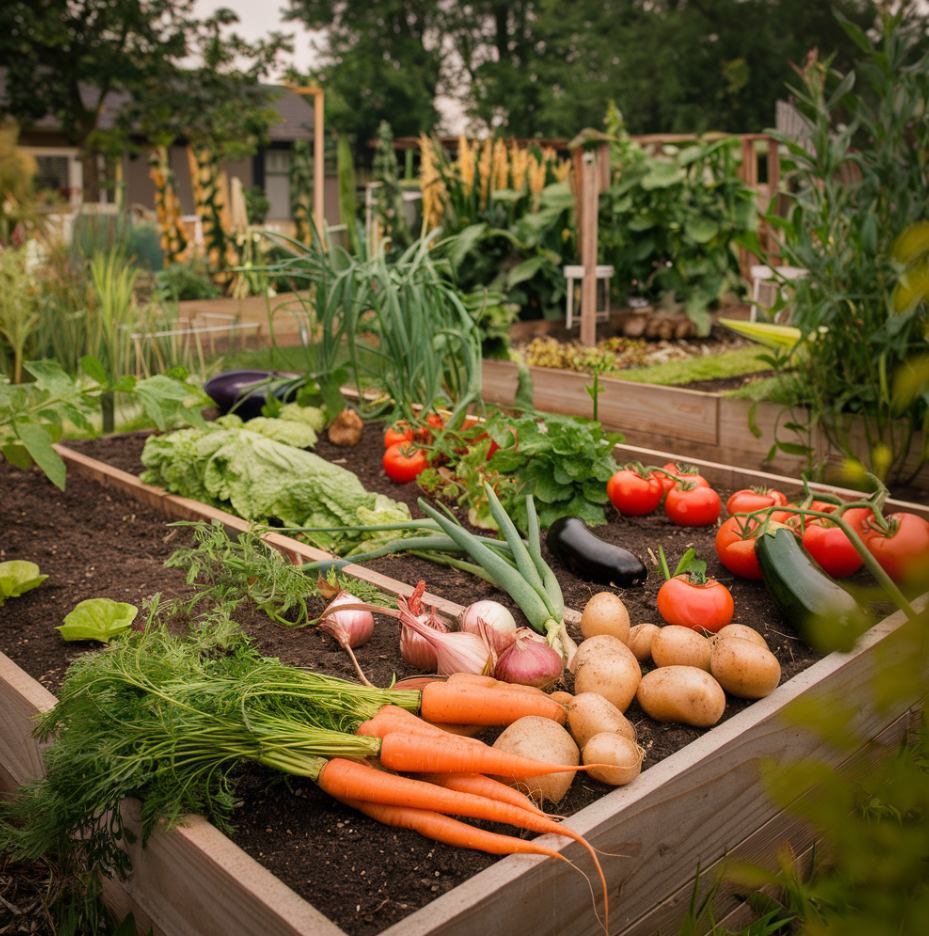
Choosing the Best Vegetables for Raised Beds
When it comes to selecting vegetables for your raised beds in Australia, it’s important to consider not only what you like to eat, but what grows well in your region and soil type. Here are some popular choices to get you started:
| Vegetable | Description | Best Growing Conditions |
|---|---|---|
| Lettuce | A quick-growing, low-maintenance leafy green that’s perfect for beginner gardeners. Can be grown year-round in shaded areas. | Partial shade, well-draining soil |
| Tomatoes | A summertime staple that’s versatile in the kitchen and packed with nutrients. Requires regular watering and support for vines. | Full sunlight, warm temperatures, well-draining soil |
| Potatoes | A hardy and satisfying root vegetable that can be enjoyed in countless ways. Requires regular hilling up of soil around growing plants. | Full sunlight, nutrient-rich soil with good drainage |
| Peppers | A spicy and colourful addition to any raised bed garden. Requires regular water and warm temperatures to thrive. | Full sunlight, warm temperatures, well-draining soil |
| Zucchini | A prolific summer squash that’s easy to grow and harvest. Can quickly take over a raised bed, so plan accordingly. | Full sunlight, ample space, well-draining soil |
Remember to rotate your crops each season to avoid depleting the soil of nutrients and to prevent disease build-up. With careful consideration of growing conditions and thoughtful crop selection, you can enjoy a bountiful harvest from your raised bed vegetable garden in no time!
Selecting the Right Soil Mix for Your Raised Bed
The soil mix you use for your raised bed garden is one of the most important factors for healthy plant growth. Unlike garden beds in the ground, raised beds require soil that is loose, well-draining, and nutrient-rich. Using the right soil mix will provide the ideal growing conditions for your vegetables, resulting in a bountiful harvest.
| Component | Ideal Percentage |
|---|---|
| Compost | 30-50% |
| Topsoil | 30-50% |
| Coarse Sand or Perlite | 10-20% |
| Peat Moss or Coconut Coir | 10-20% |
A good raised bed soil mix should be composed of approximately 30-50% compost, 30-50% topsoil, 10-20% coarse sand or perlite, and 10-20% peat moss or coconut coir. The compost will provide nutrients, while the topsoil and sand or perlite ensure proper drainage and aeration. The peat moss or coconut coir will help retain moisture and improve soil structure.
Tip: If you have heavy clay soil, you may need to add more sand to improve drainage. If you have sandy soil, you may need to add more compost to increase fertility.
It’s important to avoid using garden soil or topsoil alone as they tend to become compacted and may contain weed seeds, pests, and diseases. Instead, invest in high-quality soil components that are free from contaminants and rich in nutrients.
“Using the right soil mix will provide the ideal growing conditions for your vegetables, resulting in a bountiful harvest.”
Preparing Your Raised Beds for Planting
Before planting your raised bed garden, it’s important to prepare the soil properly to ensure the best growing conditions for your crops. Here are some tips to help you get started:
Clear Debris and Weeds
The first step is to remove any debris or weeds that may be present in your raised beds. This will ensure that your plants have plenty of space to grow and won’t have to compete with any unwanted weeds for nutrients.
Loosen the Soil
Once you have removed all debris and weeds from your raised beds, use a garden fork or spade to loosen the soil. This will improve drainage and create a better growing environment for your crops.
Add Necessary Amendments
Depending on the existing soil in your raised beds, you may need to add some amendments to improve the soil structure and provide the necessary nutrients for healthy plant growth. Consider adding compost or well-rotted manure to your soil mix to improve fertility and moisture retention.
Consider Creative Raised Veggie Garden Ideas
Now that your raised beds are prepared, it’s time to get creative with your garden design! Consider using trellises or other structures to support vine crops, or interplanting taller plants with shorter ones to make the most of your space. Don’t be afraid to experiment and try new things!
Starting Seeds or Transplants?
Choosing whether to start seeds or use transplants when growing vegetables in raised beds is an important decision. While both methods have their benefits, it ultimately comes down to personal preference and growing conditions.
Starting from seeds: One advantage of starting from seeds is the wider selection of vegetable varieties available. It also allows for greater control over the growing process, as you can ensure the quality of the soil mix and closely monitor the plants from the beginning. However, starting from seeds can be more time-consuming and requires a bit more skill and patience.
Using transplants: Transplants offer the advantage of quicker establishment and reduced risk of failure, making them a great option for beginners or gardeners with limited time. They are also helpful in regions with shorter growing seasons, as they allow for a head start on the growing process. However, transplant options may be limited compared to seed varieties, and they may not always adapt as well to the soil conditions in the raised beds.
Proper Plant Spacing and Companion Planting
One key factor to consider when growing vegetables in a raised bed is proper plant spacing. The goal is to give each plant enough space to thrive and receive adequate sunlight and air circulation. As a general rule, most plants should be spaced about 4 to 6 inches apart. However, some plants, such as tomatoes and cucumbers, may require up to 2 feet of spacing.
Companion planting is also a valuable technique to consider in your raised bed garden. Certain plants have natural properties that can repel pests or improve the growth of neighboring plants. For example, planting marigolds alongside your vegetables can help repel insects, while planting beans or peas alongside nitrogen-hungry plants like tomatoes can improve soil fertility.
Watering and Irrigation Tips for Raised Beds
Proper watering is key to a successful raised bed vegetable garden. Unlike traditional gardens, raised beds require more frequent watering due to their smaller size and quicker drainage. Here are some helpful tips:
- Water deeply, but less frequently. It’s better to thoroughly soak the soil once or twice a week, than to lightly water every day.
- Water at the base of the plants, not on the leaves. This helps to prevent fungal diseases and ensures the water goes directly to the roots.
- Consider using a drip irrigation system or soaker hose. This will help to maintain consistent moisture levels and reduce water waste.
- Avoid overwatering, which can lead to root rot and other problems. Make sure the soil is moist, but not waterlogged.
- Check soil moisture regularly, especially in hot and dry weather. Stick your finger a few inches into the soil to check if it’s dry or moist.
By following these watering tips, your raised bed garden will thrive and produce a bountiful harvest of fresh, delicious vegetables!
Maintaining Your Raised Bed Garden
Regular maintenance is essential to keep your raised bed garden healthy and productive throughout the growing season. Here are some tips for keeping your veggies thriving:
Weeding
Removing weeds is crucial to prevent them from competing with your vegetables for nutrients and water. Regularly check for weeds and pull them out by hand or use a hoe for larger areas. Covering the soil with mulch can also help suppress weed growth.
Pest Management
Common garden pests such as aphids, caterpillars, and slugs can damage your crops. Keep an eye out for signs of infestation and take measures such as handpicking, using insecticidal soap or other organic sprays, and encouraging beneficial insects like ladybugs and praying mantises.
Fertilization
Regular fertilization is important to ensure your plants get the necessary nutrients for healthy growth and maximum yield. You can use organic or synthetic fertilizers, or create your own compost to enrich the soil.
Crop Rotation
Rotating your crops from year to year can help prevent soil-borne diseases and pests from building up in the soil. Try to avoid planting the same family of vegetables in the same spot for more than one season.
Pruning and Trellising
Some vegetables such as tomatoes and cucumbers benefit from pruning and trellising to support their growth and prevent them from sprawling on the ground. Use stakes, cages, or a trellis system to keep your plants upright and well-ventilated.
Harvesting
Harvest your vegetables regularly to prevent over-ripening and encourage continuous production. Use sharp scissors or pruners to cut the fruits and vegetables from the plant, and handle them gently to avoid bruising.
Harvesting and Enjoying Your Homegrown Vegetables
Congratulations, your hard work has paid off, and it’s time to reap the rewards of your raised bed vegetable garden! Harvesting your own homegrown vegetables is not only rewarding but also ensures you get fresh and chemical-free produce for your family. Here are some tips to help you make the most of your harvest:
- Harvest your vegetables in the morning when they are freshest and lightly rinse them with water before using or storing.
- Pick your vegetables frequently to encourage more growth and prevent over-ripening.
- Store your vegetables in a cool, dry place or the fridge to extend their shelf life.
One of the joys of growing your own vegetables is being able to cook and eat them straight away. Here are some recipe ideas to inspire you:
“There is nothing better than cooking with fresh ingredients straight from the garden. I love using my homegrown vegetables in stir-fries, salads, and homemade pasta sauces. They add so much flavour and nutrition to every dish!” – Sarah, a proud raised bed vegetable gardener
Extending the Growing Season in Your Raised Beds
If you live in an area with a shorter summer growing season, don’t despair! There are several methods for extending the growing season in your raised beds and enjoying fresh vegetables for longer periods of time.
Row Covers
Row covers are lightweight, breathable fabrics that can be draped over your raised beds to protect plants from frost and cold temperatures. They can be made of materials such as polypropylene or polyester and should be secured tightly to the ground to prevent wind from blowing them away. Row covers can also help protect plants from pests and provide some shading during hot weather.
Cold Frames
Cold frames are structures that can be placed over raised beds to create a microclimate that is slightly warmer than the outside temperature. They can be made of wood, plastic, or glass and should be oriented towards the sun to maximize light and warmth. Cold frames can be vented to prevent overheating and should be monitored regularly to ensure proper moisture levels.
Select Suitable Varieties
Some vegetable varieties are better suited for cool season growing than others. Examples include leafy greens such as lettuce, spinach, and kale, as well as root vegetables such as carrots and beets. These crops can withstand colder temperatures and even frost, making them ideal for fall and winter gardening in raised beds.
By using these methods and choosing suitable vegetable varieties, you can extend the growing season in your raised beds and continue to enjoy fresh, homegrown produce even as the weather cools down.
Dealing with Common Raised Bed Garden Challenges
Despite the many benefits of raised bed gardening, there are some common challenges that gardeners may face. By being aware of these challenges, you can take steps to prevent or address them before they become major issues.
Pests
Pests are a common issue in any type of garden, but they can be particularly problematic in raised beds where plants are grown in a concentrated area. To prevent pests from damaging your crops, it’s important to practice good garden hygiene, such as removing dead plant matter, regularly inspecting plants for signs of infestation, and using organic pest control methods such as neem oil or insecticidal soap. Additionally, consider planting companion plants that naturally repel pests, such as marigolds or garlic.
Diseases
Diseases can also be a problem in raised bed gardens, especially if plants are grown too closely together or in soil that lacks proper drainage. To prevent the spread of disease, rotate your crops each year, avoid overwatering, and ensure there is good air circulation between plants. If you do encounter a disease in your garden, remove affected plants immediately and dispose of them in the garbage rather than composting.
Nutrient deficiencies
Because raised bed gardens rely on the soil you add to them, it’s important to make sure the soil is rich in nutrients. But even with the best soil mix, your plants may become nutrient deficient over time. To prevent this, regularly add compost or organic fertilizers to your soil, and consider using a foliar spray to provide a quick nutrient boost to your plants.
Conclusion
By being aware of common challenges in raised bed gardening, you can take proactive steps to prevent or address them. With proper care and attention, your raised bed garden can provide you with bountiful harvests year after year.
Tips for Winterizing Your Raised Bed Garden
As the temperatures drop in Australia, it’s time to start thinking about winterizing your raised bed garden. Follow these tips to prepare your garden for the cooler months ahead.
Clear Debris
Before the first frost, remove any dead or dying plants, fallen leaves, and other debris from your raised beds. This will help to prevent mold and disease from developing during the winter months.
Mulch
Adding a layer of mulch to your raised beds will help to insulate the soil and protect your plants from the cold. Use a natural mulch such as straw, leaves, or shredded bark. Avoid using too much mulch, as this can create a breeding ground for pests and diseases.
Crop Selection
Consider planting cool-season crops that are well-suited to the winter months, such as kale, Brussels sprouts, and spinach. These plants are hardy and can withstand the cooler temperatures. Be sure to choose varieties that are known to do well in your region.
Protect Your Plants
Cover your raised beds with a row cover or cold frame to protect your plants from frost and freezing temperatures. Another option is to use a hoop house, which can be constructed using PVC pipe and plastic sheeting.
Watering
During the winter months, it’s important to monitor the moisture level in your raised beds. Water your plants only when the soil is dry to the touch. Overwatering can lead to root rot and other problems.
By following these tips, you can keep your raised bed garden healthy and thriving during the cooler months in Australia. Happy gardening!
Conclusion
Growing your own raised garden vegetables in Australia can be a rewarding and satisfying experience. Not only do you get to enjoy fresh, organic produce, but you also have the satisfaction of knowing exactly where your food comes from and how it was grown.
By following the tips and advice outlined in this article, you can create a thriving raised bed garden that produces an abundance of vegetables year-round. From selecting the right soil mix to proper plant spacing and watering techniques, every step of the process is important for a successful harvest.
Whether you’re a seasoned gardener or just starting out, there’s no better time to start your own raised bed vegetable garden. With a little bit of planning and hard work, you can enjoy the taste of fresh, homegrown vegetables right in your own backyard.
FAQ
Q: What are the benefits of growing raised garden vegetables in Australia?
A: Growing vegetables in raised beds provides better drainage, reduces the risk of soil compaction, and allows for easier weed control. Plus, it’s a great way to grow organic, fresh food right in your backyard.
Q: How should I plan my raised bed vegetable garden?
A: Start by choosing the right location with plenty of sunlight. Consider the layout and design of your raised beds for optimal productivity and easy access. Planning is key to a successful raised bed garden.
Q: Which vegetables are best for raised beds in Australia?
A: Vegetables like tomatoes, peppers, lettuce, and herbs are well-suited for raised beds. They thrive in the well-drained soil and allow for closer plant spacing. These vegetables are popular choices for Australian gardeners.
Q: What soil mix should I use for my raised bed?
A: The best soil mix for a vegetable garden in a raised bed should be well-draining and nutrient-rich. A mix of compost, garden soil, and organic matter will provide the ideal composition for healthy plant growth.
Q: How do I prepare my raised beds for planting?
A: Clear any debris from the beds and loosen the soil. Add necessary amendments like compost or organic fertilizers. Get creative with raised veggie garden ideas to make your garden visually appealing.
Q: Should I start seeds or use transplants?
A: Starting seeds allows for a wider variety of vegetable choices, while transplants offer a head start. Consider the time it takes for each vegetable to mature and the growing season in your area when deciding which method to use.
Q: How important is proper plant spacing and companion planting?
A: Proper plant spacing ensures adequate sunlight and air circulation, which promotes healthy growth. Companion planting can help with pest control and increase overall yield. Both practices are essential for successful raised bed gardening.
Q: What are some watering and irrigation tips for raised beds?
A: Consistent moisture levels are crucial for raised bed vegetable gardens. Water deeply and regularly, and consider using irrigation systems like drip irrigation to avoid over or under watering.
Q: How do I maintain my raised bed garden?
A: Regular weeding, pest management, and fertilization are necessary to keep your raised bed garden healthy. Crop rotation is also important for soil health. Make sure to stay on top of ongoing maintenance tasks.
Q: When and how should I harvest my homegrown vegetables?
A: Harvesting times vary depending on the vegetable. Generally, pick vegetables when they are ripe but still firm. Harvesting in the morning or evening when temperatures are cooler is best. Enjoy the taste of your homegrown produce!
Q: How can I extend the growing season in my raised beds?
A: Use techniques like row covers, cold frames, and selecting suitable varieties to extend the growing season. These methods help protect plants from frost and allow you to enjoy fresh vegetables for a longer period of time.
Q: What should I do to overcome common raised bed garden challenges?
A: Pests, diseases, and nutrient deficiencies are common challenges in raised bed gardening. Implement preventive measures like crop rotation, proper sanitation, and using organic pest control methods to maintain healthy plants.
Q: How do I winterize my raised bed garden?
A: Prepare your raised beds for winter by clearing debris, adding mulch, and selecting cool-season crops. These steps will help protect your garden and ensure it’s ready for the colder months in Australia.
Q: Do you have any tips for getting started with raised bed gardening?
A: Start small and gradually expand your raised bed garden. Consider the specific needs of the vegetables you want to grow, and don’t forget to enjoy the process. Gardening is a rewarding and enjoyable activity!