
Introduction:
Welcome to our comprehensive guide on Acacia lasiocarpa, commonly known as the Panjang. This article aims to provide valuable insights into the characteristics, cultivation techniques, and overall appeal of this unique plant species. Whether you are a seasoned gardener or a beginner enthusiast, this guide will equip you with the knowledge to successfully grow and appreciate the beauty of Acacia lasiocarpa.
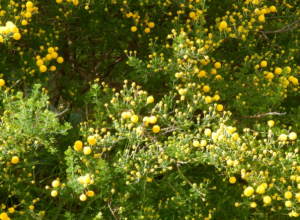
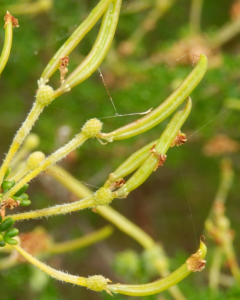
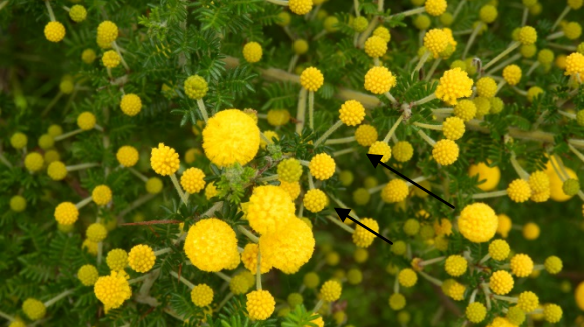
Acacia lasiocarpa var. lasiocarpa is a low shrub up to 1m tall, typically with no or few spines. This Acacia species does not have phyllodes but true bipinnate leaves. It has been planted in some rehabilitated coastal areas in Western Australia such as Peppermint Grove Beach but it is also a small shrub that would be useul in the garden.
Characteristics:
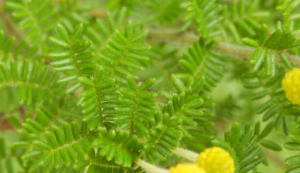
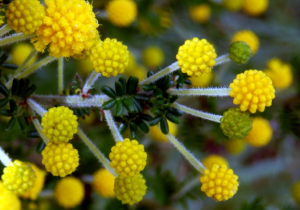
Acacia lasiocarpa stands out with its striking appearance and abundant yellow flowers. The plant has fluffy, silvery-grey foliage, which adds an intriguing texture to any landscape. During the flowering season, it is adorned with beautiful globular clusters of bright yellow flowers, creating a stunning visual display that attracts both pollinators and admirers. The Panjang’s unique combination of foliage and blossoms makes it a captivating addition to gardens and natural landscapes alike.
Cultivation Tips:
- Sunlight Requirements: Acacia lasiocarpa thrives in full sun exposure. It requires at least 6-8 hours of direct sunlight per day to ensure optimal growth and abundant flowering.
- Soil Preference: This species prefers well-draining soil with good moisture retention capacity. It can tolerate various soil types, including sandy or loamy soils. However, it is best to avoid heavy clay soils that can become waterlogged.
- Watering Needs: Acacia lasiocarpa has moderate water requirements. Water the plant regularly, particularly during dry spells or prolonged periods without rainfall. Ensure the soil remains consistently moist without becoming waterlogged, as excessive moisture can lead to root rot.
- Fertilization: A balanced, slow-release fertilizer can be applied in spring to promote healthy growth and vibrant blooms. Follow the manufacturer’s instructions for the appropriate dosage and application method.
- Pruning and Maintenance: Prune Acacia lasiocarpa as needed to maintain its desired size and shape. Remove any dead, damaged, or crossing branches to enhance air circulation and prevent disease. Regularly monitor the plant for pests or diseases and take prompt action if necessary.
- Propagation: Acacia lasiocarpa can be propagated through seed germination or semi-hardwood cuttings. Sow the seeds in a well-draining potting mix and keep them in a warm, sunny location. For cuttings, take semi-hardwood stem cuttings and place them in a suitable rooting medium until they develop roots.
The Beauty and Benefits of Acacia Lasiocarpa:
Acacia lasiocarpa offers numerous aesthetic and environmental benefits. Here are key reasons to consider including this plant in your garden:
- Eye-Catching Landscape Display: The bright yellow flowers of Acacia lasiocarpa create a stunning visual impact, especially when planted in groups or as focal points. Their vibrant color adds vibrancy to any garden or natural setting.
- Wildlife Attraction: The Panjang attracts various pollinators, including bees and butterflies, with its nectar-rich flowers. By adding Acacia lasiocarpa to your garden, you can help support local ecosystems and contribute to the vital role of pollinators.
- Nitrogen Fixation: Like other Acacia species, Acacia lasiocarpa has the remarkable ability to fix nitrogen in the soil. This process enriches the soil with valuable nutrients, enhancing its fertility and benefiting surrounding plants.
- Drought Tolerance: Acacia lasiocarpa is well-suited for dry and arid climates, thanks to its innate tolerance to drought conditions. This attribute makes it an excellent choice for water-wise gardening practices and regions with limited water resources.
Conclusion:
In conclusion, Acacia lasiocarpa, with its distinctive foliage and vibrant yellow flowers, is a captivating plant that adds beauty and environmental benefits to any garden. By following the cultivation tips outlined in this guide and appreciating its unique characteristics, you can cultivate and enjoy the elegance of the Panjang in your outdoor space. Embrace the allure of Acacia lasiocarpa and witness how it enhances the overall aesthetics and ecological value of your landscape.