
Introduction:
Welcome to our comprehensive guide on Hibbertia cuneiformis, commonly known as the Cutleaf Hibbertia. This article aims to provide valuable insights into the characteristics, cultivation techniques, and overall appeal of this stunning plant species. Whether you are an experienced gardener or just starting your green journey, this guide will equip you with the knowledge to successfully grow and appreciate the beauty of Hibbertia cuneiformis.
Background
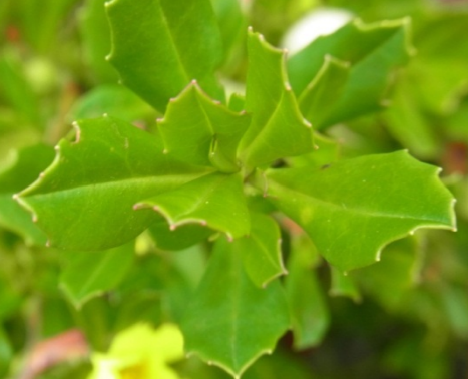
The genus Hibbertia commemorates George Hibbert (1757-1837) a nurseryman in London; cuneiformis is
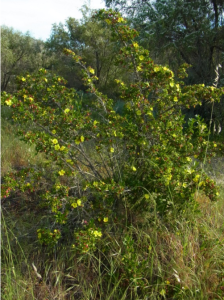
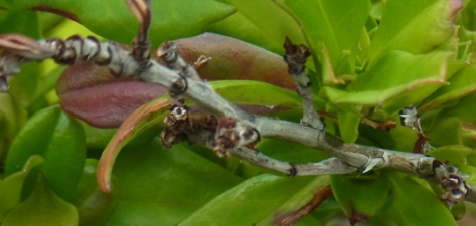
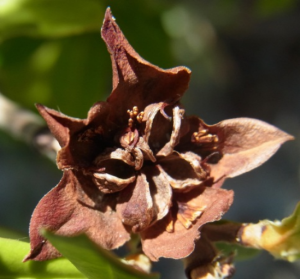
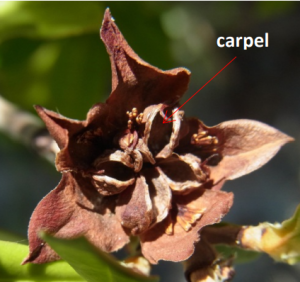
derived from the Latin cuneus meaning wedge and forma meaning shape – in reference to the wedge shaped leaves. Hibbertia cuneiformis is an erect shrub that grows to over 2m in height. The leaves are up to 5cm long and 2cm wide and tapered at the base into a stem clasping stalk. Typically the leaf margins are toothed near the pointed tip but occasionally have no teeth. The yellow flowers are solitary, without a stalk and can be up to 5cm across. The petals are bright yellow and free from each other and with a slight apical notch. In the centre of the flower there are up to 25 stamens which are fused together into 5 undles of 2 – 4 stamens. The ovary has 5 green, hairless carpels.
Characteristics:
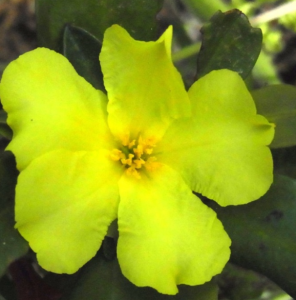
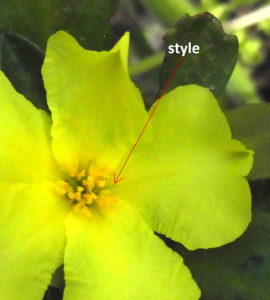
Hibbertia cuneiformis, with its vibrant yellow flowers and unique leaf structure, is a true delight for nature enthusiasts. The leaves, as the name suggests, display a distinct wedge shape, capturing the attention of all who encounter this remarkable plant. The small, star-shaped flowers bloom in a brilliant shade of yellow, adding a touch of sunshine to any landscape. The overall compact growth habit and dense foliage make Hibbertia cuneiformis a charming addition to gardens and natural landscapes alike.
Cultivation Tips:
- Sunlight Requirements: Hibbertia cuneiformis thrives in full sun or partially shaded areas. It is essential to provide the plant with direct sunlight for at least 6-8 hours to ensure proper growth and abundant flowering.
- Soil Preference: This species prefers well-draining soil, enriched with organic matter. Ensure that the soil has good moisture retention capacity while allowing excess water to drain away promptly. Aim for a slightly acidic to neutral pH level.
- Watering Needs: While Hibbertia cuneiformis appreciates regular watering, it is important not to overwater the plant. Maintain moist soil but avoid waterlogging, as this can lead to root rot. Monitor the soil moisture and adjust watering accordingly.
- Fertilization: Applying a balanced, slow-release fertilizer during the growing season will help promote healthy growth and a profusion of blooms. Follow the manufacturer’s instructions for the recommended dosage and application method.
- Pruning and Maintenance: Regular pruning is not necessary for Hibbertia cuneiformis, but you can trim any dead or damaged growth to maintain its appearance. Monitoring the plant for pests or diseases and promptly addressing any issues will contribute to its overall health.
- Propagation: The propagation of Hibbertia cuneiformis is commonly done through cuttings. Take stem cuttings from healthy plants and place them in a well-draining propagation mix. Provide adequate warmth and humidity to encourage root development.
The Beauty of Hibbertia Cuneiformis:
Hibbertia cuneiformis offers numerous aesthetic and environmental benefits. Here’s why you should consider including this plant in your garden:
- Captivating Landscape Display: The vibrant yellow flowers of Hibbertia cuneiformis create a striking visual display. Whether used as a ground cover, in rock gardens, or as an accent plant, its beauty is sure to captivate.
- Supporting Native Ecosystems: Hibbertia cuneiformis is native to Australia, making it an ideal choice for gardeners interested in preserving and promoting native plant species. Its presence can attract native wildlife, including bees and butterflies, enhancing biodiversity.
- Low Maintenance: Once established, Hibbertia cuneiformis requires minimal care, making it suitable for both novice and experienced gardeners seeking low-maintenance options.
- Drought Tolerance: Hibbertia cuneiformis exhibits excellent tolerance to dry conditions, making it well-suited for Australian climates and water-wise gardening practices.
Conclusion:
In summary, Hibbertia cuneiformis, with its distinct wedge-shaped leaves and vibrant yellow flowers, is a compelling plant to consider for your garden or landscape. By following the cultivation tips and appreciating its unique characteristics, you can enjoy the allure of this species while contributing to the preservation of native flora. Embrace the beauty of Hibbertia cuneiformis and witness how it adds a unique charm to your outdoor spaces.