
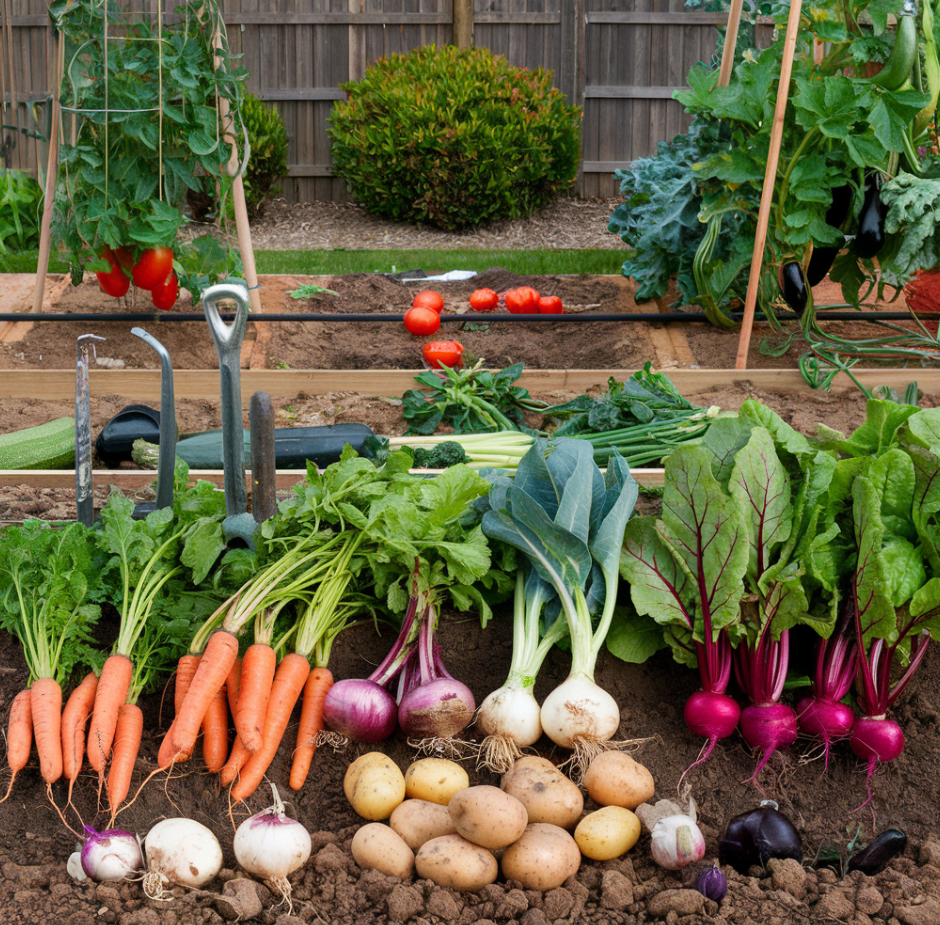
Are you tired of only being able to grow vegetables during specific seasons? With the right knowledge, you can cultivate a diverse range of fresh produce all year round in Australia. From cool-season vegetables that thrive in winter to heat-loving plants that flourish in summer, there are plenty of options to choose from. Not only will this provide a steady supply of delicious, homegrown veggies, but it can also save you money on grocery bills and reduce your carbon footprint.
Key Takeaways
- With the right knowledge, you can grow a variety of fresh produce all year round in Australia
- Cool-season vegetables thrive in winter, while heat-loving plants flourish in summer
- Year-round vegetable growing can save money on grocery bills and reduce your carbon footprint
Understanding Perennial Vegetables in Australia
If you’re looking to cultivate a year-round vegetable garden in Australia, it’s essential to understand the benefits of perennial vegetables. Unlike annual vegetables, which must be replanted each season, perennial vegetables are long-lasting plants that can be harvested multiple times without the need for replanting.
Perennial vegetables are perfect for the Australian climate, as they can withstand harsh weather conditions such as drought and frost. They also require less maintenance than annual vegetables, making them an ideal choice for gardeners who want to save time and effort.
What Are Perennial Vegetables?
Perennial vegetables are plants that can survive for multiple growing seasons, producing a yield year after year. These vegetables have deep root systems, which allow them to absorb water and nutrients from deeper in the soil than annuals. This deep root system helps them to survive drought conditions.
Some examples of popular perennial vegetables in Australia include asparagus, artichokes, and rhubarb. These vegetables can be harvested over multiple years and require minimal upkeep.
Advantages of Perennial Vegetables
Perennial vegetables offer several advantages to gardeners in Australia:
- Low maintenance: Once established, perennial vegetables require less maintenance than annuals.
- Less water: The deep root system of perennial vegetables allows them to withstand drought conditions and require less frequent watering.
- Multiple yields: Unlike annual vegetables, perennial vegetables can provide multiple yields over several years.
- Environmental benefits: Perennial vegetables can help to improve soil health and reduce erosion, making them an environmentally friendly choice.
With all these advantages, it’s easy to see why perennial vegetables have become an increasingly popular choice for gardeners looking to cultivate a year-round vegetable garden in Australia.

Seasonal Vegetable Gardening in Australia
As Australia experiences different seasons throughout the year, it is important to plan your vegetable garden accordingly to ensure year-round growing success. By understanding the optimal planting times and growing conditions for each season, you can cultivate a diverse range of vegetables and maintain a consistent harvest.
Autumn
In autumn, the cooler weather allows for the growth of leafy greens such as lettuce, spinach, and kale. Other suitable vegetables for this season include broccoli, cauliflower, and root vegetables such as carrots and beets. It is important to ensure these plants receive ample sunlight and regular watering to thrive.
Winter
During winter, it is best to focus on vegetables that can handle colder temperatures and shorter daylight hours while still providing a harvest. These include cabbage, Brussels sprouts, garlic, and onions. It is also a good season to grow hardy herbs such as rosemary and thyme.
Spring
In spring, the warmer weather allows for the growth of a wider variety of vegetables, including beans, peas, and radishes. It is also a good time to plant tomatoes and peppers. It is important to monitor your garden for pests during this season as they are more active and can cause damage to your crops.
Summer
Summer is a time for warm-weather vegetables such as cucumber, zucchini, and eggplant. It is also a great season for growing juicy tomatoes and sweet corn. To ensure successful growth during this season, it is important to provide adequate water and shade to prevent your plants from drying out.
By planning your garden around the seasons in Australia, you can enjoy a diverse and abundant harvest all year round.

Must-Have Vegetables for 12-Month Gardening
For a successful year-round vegetable garden in Australia, it’s essential to choose the right crops that can thrive in different seasons. Here are some of the must-have vegetables for 12-month gardening:
| Vegetable | Season | Growing Tips |
|---|---|---|
| Tomatoes | All seasons except winter | Plant in a sunny area with well-draining soil. Use stakes or cages for support and ensure consistent watering. |
| Zucchini | Spring and summer | Plant in a sunny area with fertile, well-draining soil. Harvest frequently to encourage more fruit production. |
| Beans | Spring and summer | Plant in a sunny area with well-draining soil. Provide support such as stakes or trellises for climbing varieties. |
| Spinach | All seasons except summer | Plant in a partially shaded area with fertile, well-draining soil. Water regularly and harvest outer leaves to encourage new growth. |
| Carrots | All seasons except summer | Plant in well-draining soil and ensure consistent watering. Thin seedlings to prevent overcrowding and promote root growth. |
| Broccoli | Autumn and winter | Plant in a sunny area with fertile, well-draining soil. Protect from pests and diseases and harvest when the heads are firm and tight. |
| Lettuce | All seasons except summer | Plant in a partially shaded area with fertile, well-draining soil. Water regularly and harvest outer leaves to encourage new growth. |
Remember to choose a variety of vegetables for your garden to ensure a diverse harvest all year round. With the right growing conditions and proper care, you can enjoy a bountiful supply of fresh vegetables throughout the seasons in Australia.
Evergreen Vegetable Plants for Year-Round Harvests
If you’re looking for vegetables that provide a consistent harvest all year round in Australia, evergreens are an excellent choice. These plants keep their leaves all year, and can grow in various soil types, light conditions and climates, making them ideal for year-round vegetable growing.
| Vegetable | Preferred Growing Conditions |
|---|---|
| Brassica oleracea | These evergreen vegetables prefer cool temperatures, and can be grown in partial shade or full sun. |
| Perpetual spinach | This leafy green prefers a well-drained soil and full sun, but can also grow in partial shade. |
| Chives | These herbs grow well in full sun or partial shade, and require well-drained soil. They can be grown indoors as well. |
Other popular evergreen vegetable plants include rosemary, thyme, sage, and citrus fruits. With proper care and maintenance, these plants can provide a continuous supply of fresh produce for your kitchen all year round.
Planning a Continuous Vegetable Garden
Planning and organizing your year-round vegetable garden is essential to ensure your harvests are both diverse and continuous. A well-planned garden will also help you to use your space efficiently and increase yields.
Crop Rotation
Crop rotation is a vital technique to improve soil health and avoid the buildup of pests and diseases. It involves dividing the garden into sections and rotating the location of crops each season. For optimal results, rotate crops with different nutrient requirements and root structures.
A common rotation pattern is to plant nitrogen-fixing legumes, such as peas or beans, followed by brassicas, like kale or broccoli, then root vegetables like carrots or beetroot, and finally, tomatoes or cucumbers.
Succession Planting
Succession planting involves staggering the planting of different vegetables to ensure a continuous harvest throughout the season. This technique helps to maximize your space and ensures your garden is productive, even during the shoulder seasons.
You can use succession planting by sowing seeds every few weeks or planting seedlings at different times. Plan your planting schedule based on the time taken for the crop to mature and the length of the harvest period. For example, you can sow lettuce seeds every two weeks to ensure a constant supply of fresh salad greens.
Garden Design
When designing your garden, consider several factors, including sunlight, drainage, and wind exposure. Vegetables require at least six hours of direct sunlight per day, so choose a location with ample sunshine.
If your garden doesn’t have good drainage, consider building raised beds to prevent waterlogging. Protect your plants from strong winds by planting them close together or using windbreaks like hedges or fences.
Group your plants based on their water and nutrient requirements to make irrigation and fertilization more efficient. Consider the height of your plants when designing your garden, placing tall plants on the north or west side to prevent shading of smaller ones.
Sowing Seeds at the Right Time
Timing is crucial when planting vegetables for year-round gardening success in Australia. Different plants have varying requirements for light, temperature, and moisture levels. Here are some tips on when and how to sow vegetable seeds:
Understanding the Seasons
Australia has four distinct seasons that should be taken into account when planting vegetables. The average temperature, amount of sunlight, and rainfall varies depending on the season. To ensure successful growth, it is important to know when each season occurs in your specific area.
| Season | Months |
|---|---|
| Summer | December – February |
| Autumn | March – May |
| Winter | June – August |
| Spring | September – November |
Planting Guidelines
When sowing seeds, it is important to follow packaging instructions for seed depth, spacing, and watering. Here are some additional guidelines for sowing seeds:
- Start seeds indoors for plants that require a long growing season.
- Plant root vegetables, such as carrots and turnips, directly into the soil as they do not transplant well.
- Monitor soil temperature and moisture levels to ensure optimal growing conditions.
- Consider using a seed starting mix to improve germination rates.
Seasonal Planting Guide
Here is a general guide on when to plant some popular vegetables in Australia:
| Vegetable | Planting Time |
|---|---|
| Tomatoes | Spring or early summer |
| Carrots | Autumn, winter, or early spring |
| Peas | Autumn or winter |
| Lettuce | Autumn, winter, or early spring |
| Beans | Spring or early summer |
Remember to adjust planting times based on your specific location and the weather conditions in your area. With proper timing and care, you can enjoy a bountiful harvest of fresh vegetables all year round.
Caring for Your Year-Round Veggie Garden
Maintaining a healthy year-round vegetable garden in Australia requires consistent care and attention. Here are some essential tips to ensure your vegetable plants thrive:
| Care Tips | Details |
|---|---|
| Watering | Provide your vegetables with regular and sufficient watering, especially during hot and dry periods. Water in the early morning or evenings to avoid water evaporation and scorching of leaves. |
| Fertilizing | Feed your vegetable plants with appropriate fertilizers to provide essential nutrients. You can use commercial fertilizers or organic compost. Follow the instructions on the packaging for best results. |
| Pest Control | Be vigilant and inspect your plants regularly for signs of pest infestations. Use natural pest control methods such as introducing beneficial insects like ladybugs or applying homemade insect repellents. You can also use commercial pesticides as a last resort. |
Additionally, it is crucial to prune your plants to promote air circulation and reduce the risk of fungal diseases. Remove any dead or damaged plant parts and ensure your garden tools are clean and sterilized to prevent the spread of disease.
By providing adequate care and attention, you can enjoy healthy and abundant year-round vegetable harvests in Australia.
Climate-Friendly Practices for Vegetable Growing
Growing vegetables all year round in Australia can have a significant impact on the environment. However, it is crucial to adopt sustainable and climate-friendly practices to minimize this impact. Here are some practices to consider:
- Composting: Composting is an excellent way to reduce waste while enriching your soil. Collect your vegetable scraps, grass clippings, and other organic material and add them to a compost bin. The resulting compost will provide valuable nutrients to your plants.
- Mulching: Mulching is an effective way to conserve moisture and prevent weed growth in your garden beds. Spread a layer of organic material, such as dried leaves or straw, between your plants to retain water and provide insulation for your soil.
- Water-saving techniques: Water is a precious resource, and it is essential to conserve it when growing vegetables. Consider installing a rainwater tank to collect rainwater for your garden. Use a drip irrigation system to deliver water directly to plant roots, reducing water waste and avoiding potential fungal diseases caused by overhead watering.
- Natural pest control: Chemical pesticides can harm the environment, so it is best to use natural pest control methods. Companion planting and crop rotation can help prevent pests and disease. Encourage beneficial insects, such as ladybugs and bees, to your garden by growing flowering plants.
By adopting these practices, you can create a healthy and sustainable vegetable garden all year round in Australia.
Popular Vegetables for Every Season
Here are some popular vegetables that can be grown all year round in Australia:
| Season | Vegetables | Planting Time | Harvest Period |
|---|---|---|---|
| Summer | Tomatoes, cucumbers, zucchini, eggplant, beans, corn, pumpkin, melons | September to November | December to February |
| Autumn | Potatoes, carrots, sweet potato, beetroot, onions, garlic, lettuce, cabbage, spinach, kale | March to May | June to August |
| Winter | Cauliflower, broccoli, Brussels sprouts, snow peas, broad beans, carrots, turnips, radishes, leeks | June to August | September to November |
| Spring | Asparagus, peas, artichokes, lettuce, rocket, silverbeet, herbs | September to November | December to February |
Remember that different regions and climates in Australia may have slightly different planting and harvesting times, so be sure to check what is best for your area.
Managing Seasonal Challenges
Vegetable gardening in Australia can be a challenging endeavor, particularly due to the harsh weather conditions that come with different seasons. Below are some of the challenges experienced in each season:
| Season | Challenges |
|---|---|
| Summer | Excessive heat and dryness can lead to poor germination rates, wilting, and pest infestations. |
| Autumn | Leaf diseases like blight and mildew are common in this season, and frequent rains can lead to waterlogging. |
| Winter | Low temperatures and frost can slow plant growth, damage crops, and make pest control trickier. |
| Spring | Spring is a time for growth, but it can also lead to pest infestations, especially aphids, and fungal infections due to the warm and wet conditions. |
Although these challenges may seem daunting, they can be overcome with some practical solutions:
- Provide shade and regular watering in summer to prevent wilting.
- Water the plants in the morning to avoid waterlogging from night dew in autumn.
- Using frost covers and planting in cold frames can protect crops from frost in winter.
- Using netting and naturally occurring predators, like ladybirds, can help control aphids in spring.
Employing these solutions can help keep your vegetable garden thriving throughout the year.
Maximizing Harvests with Companion Planting
Companion planting is a gardening technique that involves planting different crops together to improve growth, deter pests and diseases, and increase yield. When done correctly, it can significantly increase the success of your vegetable garden. Consider these examples of compatible companion plant combinations:
| Vegetable | Companion Plant |
|---|---|
| Tomatoes | Basil |
| Carrots | Onions and leeks |
| Beans | Corn |
| Cabbage | Herbs like thyme and oregano |
It’s important to note that companion planting is not a one-size-fits-all approach. Factors such as soil conditions, climate, and plant species must be considered. Additionally, not all plants are compatible, so it’s crucial to research before planting.
Companion planting can also help with pest control. Certain plants repel insects and can protect neighboring crops. For example, marigolds can deter harmful insects from tomatoes and beans.
Lastly, companion planting can increase the variety of produce in your garden. By planting a mix of compatible vegetables and herbs, you can diversify your harvest and create a more visually appealing garden.
Extending the Harvest with Indoor Gardening
Indoor gardening is an excellent way to continue growing vegetables all year round, even when outdoor conditions are unfavorable. With the right tools and techniques, you can successfully cultivate a thriving indoor vegetable garden.
The first step in indoor gardening is to choose the right plants. Certain vegetable varieties are better suited to indoor growing than others. Look for plants that are compact, disease-resistant, and don’t require a lot of natural light. Some great options for indoor gardening include lettuce, spinach, kale, and herbs such as basil and parsley.
Lighting is also crucial for indoor gardening success. Most vegetables require a minimum of six hours of sunlight per day. If natural light is not available, you can use artificial light sources such as fluorescent or LED grow lights. Position the lights close to the plants and keep them on for 12-16 hours per day.
Another important consideration for indoor gardening is soil quality. Use a high-quality potting mix that is specifically formulated for indoor gardening. Make sure the containers have proper drainage to prevent waterlogging and root rot.
For successful indoor vegetable gardening, it’s important to maintain a consistent watering schedule. Check the moisture level of the soil frequently and water as needed. Avoid overwatering, as this can lead to fungal growth and other plant diseases.
Finally, indoor gardening provides an opportunity to experiment with creative and space-saving growing methods. Consider using vertical gardening techniques or hydroponics to maximize your growing space and increase your harvest yields.
With these tips, you can enjoy fresh, homegrown vegetables all year round, even when outdoor conditions are not ideal. Indoor gardening is a fun and rewarding way to extend your vegetable growing season and keep your family supplied with fresh, healthy produce.
Harvesting and Enjoying Your Year-Round Veggies
After months of planting and nurturing your vegetable garden, it’s finally time to enjoy the fruits of your labour! Proper harvesting and storing techniques will ensure that your year-round veggies are at their freshest and tastiest when it’s time to prepare them for a meal.
When harvesting vegetables, it’s best to do so in the morning when the weather is cooler. For vegetables that grow underground, such as carrots and potatoes, use a garden fork or spade to gently lift them out of the soil. For plants that grow above ground, such as tomatoes and cucumbers, use pruning shears or scissors to carefully remove the fruits from the stem.
It’s important to store your harvested vegetables properly so that they last as long as possible. For vegetables that don’t require refrigeration, such as potatoes and onions, store them in a cool, dry place away from direct sunlight. For vegetables that require refrigeration, such as leafy greens and tomatoes, store them in the crisper drawer of your fridge.
When it comes time to prepare your vegetables for a meal, get creative with your recipes! Freshly harvested vegetables are packed with nutrients and flavour, and can be an exciting addition to any dish. Try roasting colourful root vegetables like beets and sweet potatoes, grilling zucchini and eggplant, or adding freshly picked herbs to your favourite pasta dish.
By incorporating your homegrown veggies into your meals, you’ll not only enjoy the delicious taste but also the health benefits of fresh, nutrient-rich produce.
Sharing the Bounty and Community Gardening
Growing your own vegetables is a rewarding and fulfilling experience, but it can also be a great way to connect with your community. Community gardening is a fantastic way to share your passion for growing fresh produce and to meet like-minded people in your area.
Community gardens are often established in public spaces such as parks or unused land, and they allow members of the community to work together to grow vegetables and fruit that can be shared by all.
By participating in community gardening, you can learn from other gardeners, share your expertise, and enjoy a bountiful harvest with your neighbors. It’s also a great way to get involved in community projects and to get to know people in your area.
If you’re interested in joining a community garden, you can search for one in your local area through online directories or by contacting your local council. Many community gardens have waiting lists, so it’s a good idea to get in touch early to avoid disappointment.
Community gardening is a wonderful way to not only grow fresh vegetables all year round but to become part of a supportive and caring community.
Conclusion
Year-round vegetable gardening in Australia is not only possible but also highly beneficial. By planting a diverse range of vegetables that thrive in different seasons, you can ensure a constant supply of fresh produce throughout the year.
In this article, we explored various techniques and tips for successful year-round vegetable growing. We discussed the importance of understanding perennial vegetables, planning a diverse garden, sowing seeds at the right time, and caring for your plants. We also looked at sustainable gardening practices, managing seasonal challenges, and maximizing harvests.
With the right knowledge and techniques, you can grow a variety of popular vegetables such as tomatoes, carrots, onions, and beans throughout the year. You can also extend your growing season through indoor gardening techniques, and share your bounty with the community through community gardening.
We hope that this article serves as a useful guide for your year-round vegetable gardening journey in Australia. Remember to always experiment, learn from your successes and failures, and enjoy the process of growing your own fresh produce. Happy gardening!
FAQ
Q: What are perennial vegetables and why are they suitable for year-round growing in Australia?
A: Perennial vegetables are plants that live for more than two years and produce edible parts. They are ideal for year-round growing in Australia due to their ability to withstand various climate conditions and provide a continuous harvest.
Q: Which vegetables flourish during each season in Australia?
A: The vegetables that flourish in each season vary, but some examples include tomatoes, cucumbers, and zucchini in summer, broccoli, carrots, and spinach in autumn, peas, lettuce, and onions in winter, and beans, capsicum, and corn in spring.
Q: What are some must-have vegetables for 12-month gardening in Australia?
A: Some must-have vegetables for year-round gardening in Australia include kale, beetroot, radishes, and Swiss chard. These vegetables are known for their resilience and adaptability to different seasons.
Q: What are evergreen vegetable plants, and why are they beneficial for year-round harvests?
A: Evergreen vegetable plants are plants that retain their leaves throughout the year. They are beneficial for year-round harvests because they continue to produce crops even during colder months, providing a consistent supply of fresh vegetables.
Q: How can I plan a continuous vegetable garden?
A: To plan a continuous vegetable garden, consider crop rotation and succession planting. Crop rotation involves rotating different vegetable families in the same patch each season to minimize pests and diseases. Succession planting involves planting new seeds or seedlings as soon as the previous batch is harvested to ensure a steady supply of vegetables.
Q: When and how should I sow vegetable seeds for year-round gardening?
A: Sow vegetable seeds according to their specific requirements. Some seeds can be sown directly into the ground, while others may need to be started indoors and then transplanted. Follow the recommended planting times for each vegetable and provide the necessary care and attention.
Q: How can I care for my year-round vegetable garden?
A: Basic care for a year-round vegetable garden includes regular watering, fertilizing with organic matter, and implementing pest control measures as needed. Proper weeding and mulching can also help maintain the health of your vegetable plants.
Q: What are some climate-friendly practices for vegetable growing in Australia?
A: Adopting sustainable practices such as composting, mulching, and water-saving techniques can help reduce the environmental impact of vegetable gardening. Composting organic waste, using mulch to conserve moisture, and collecting rainwater for irrigation are all beneficial methods.
Q: Which vegetables can be grown all year round in Australia?
A: Some popular vegetables that can be grown all year round in Australia include lettuce, kale, silverbeet, and herbs like basil and parsley. These vegetables can thrive in a variety of climate conditions and provide a constant supply of fresh produce.
Q: What are some common challenges in seasonal vegetable growing in Australia?
A: Common challenges in seasonal vegetable growing in Australia include extreme weather conditions, pests, and diseases. However, with proper planning, crop selection, and pest management strategies, these challenges can be overcome.
Q: How can companion planting maximize vegetable harvests?
A: Companion planting involves growing specific plants together to enhance growth, deter pests, and improve overall yields. For example, planting marigolds alongside tomatoes can help repel insects, while growing beans with corn provides natural support for the climbing beans.
Q: Can I extend the vegetable growing season through indoor gardening?
A: Yes, indoor gardening techniques can help extend the vegetable growing season. By utilizing containers, grow lights, and controlled environments, you can grow vegetables indoors during colder months or in areas with limited outdoor space.
Q: How should I harvest and store my year-round vegetables?
A: Harvest vegetables when they are ripe and store them properly to maintain their freshness. Different vegetables have specific harvesting techniques, and storage methods vary as well. Storing in a cool and dry place or preserving through freezing or canning are common practices.
Q: What are the benefits of community gardening for year-round vegetable growing?
A: Community gardening allows individuals to share resources, knowledge, and space, contributing to year-round vegetable growing. It fosters a sense of community, provides access to larger plots of land, and allows for the exchange of gardening tips and experiences.